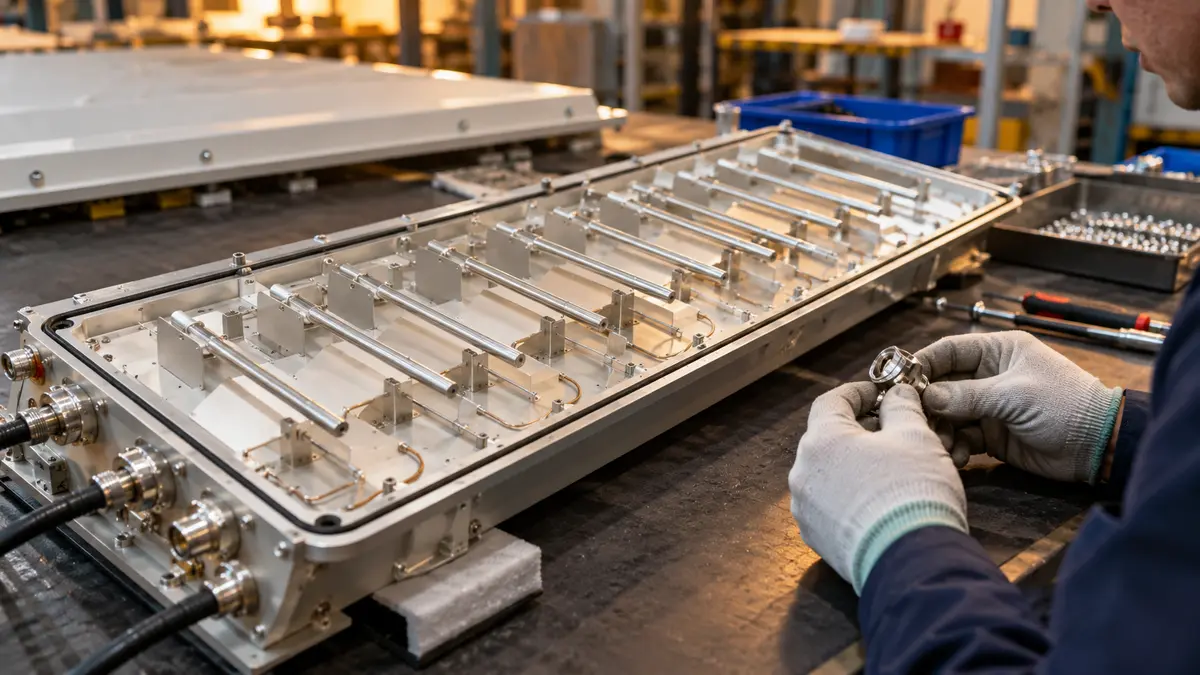
Ericsson’s India antenna exports: manufacturing, network demand and research
India-made antennas enter export markets alongside local engineering and network deployment.

ADI News Archive
Complete long-form business reporting and analysis from ADI News.
India-made antennas enter export markets alongside local engineering and network deployment.

Manufacturing orders need cost, cash and delivery checks as September activity expands and the survey’s price index rises.

Three-year highs in wheat and corn expose how weather, Black Sea logistics, liquidity and contracts shape food-business resilience.
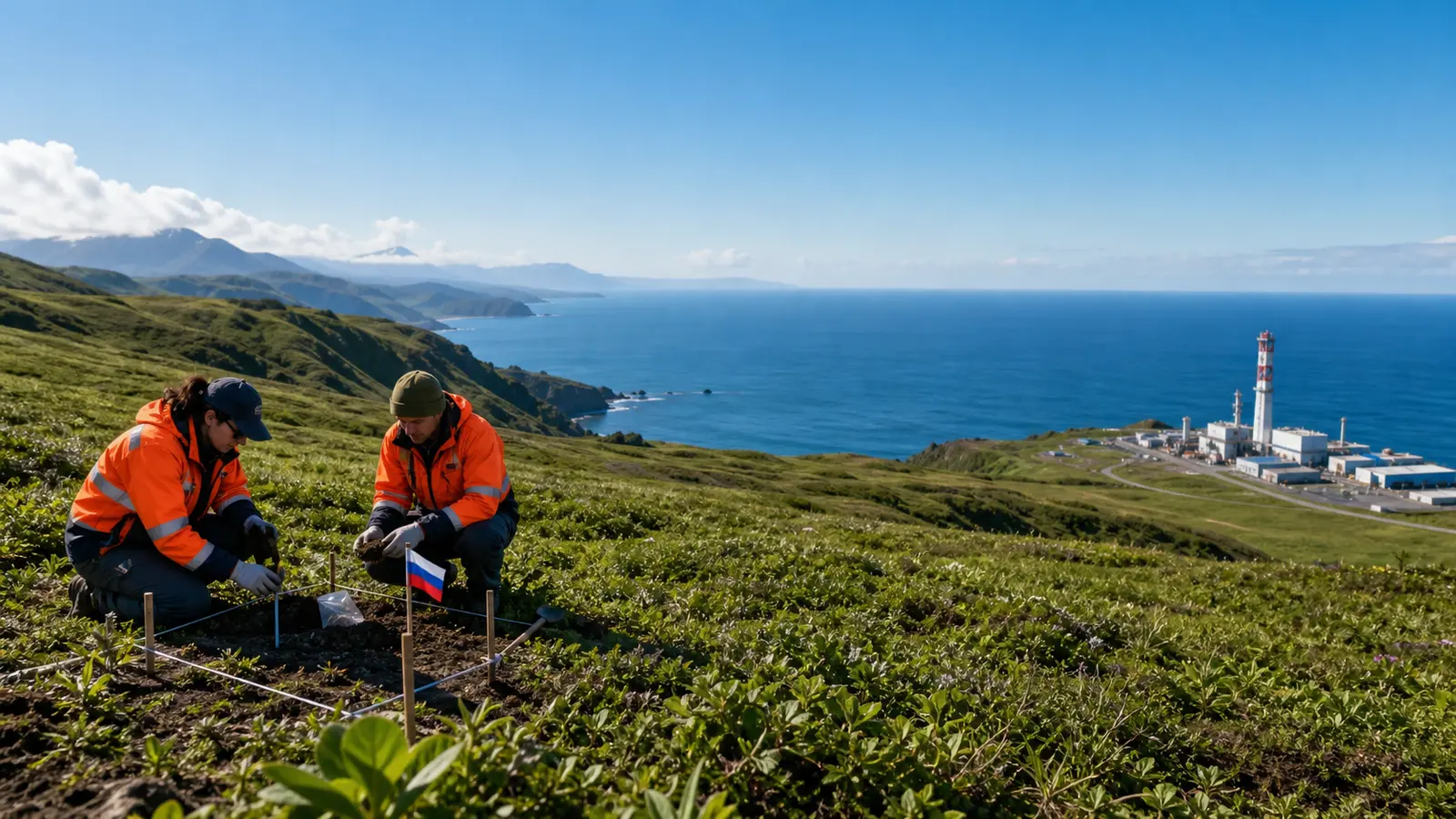
Russia has ample verified carbon supply but thin trading; credible claims, product footprints, disciplined procurement and diversified demand can turn inventory into a market.

Companies are replacing expansion at any cost with resilient, region-aware strategies built around cash flow, supply security and measurable productivity.

As Russian SME lending contracts in real terms, smaller firms need cash visibility, disciplined working capital, staged investment and diversified finance.
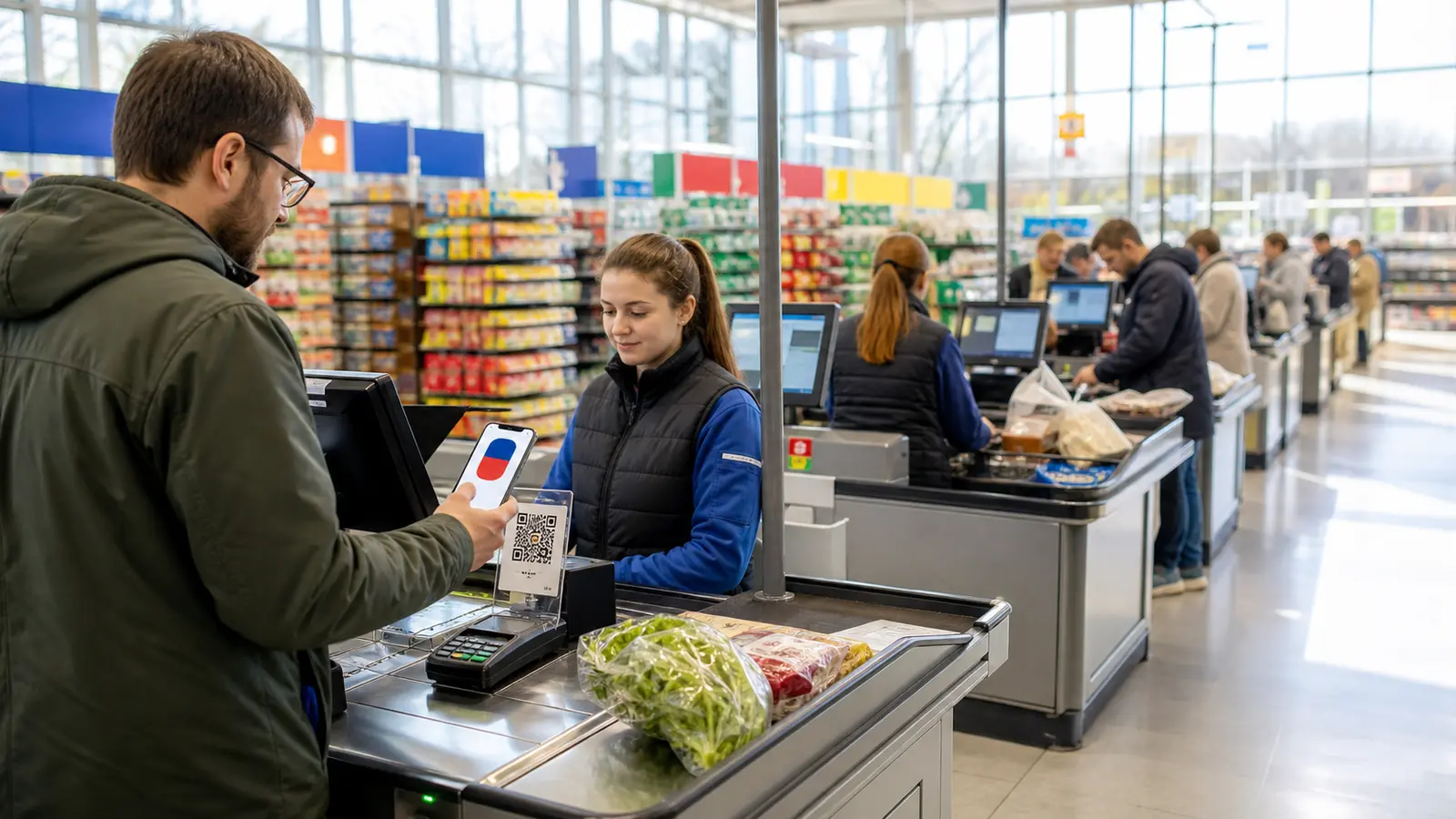
Russia's digital ruble moves toward mass use, making checkout reliability, refunds, fraud controls, treasury discipline and transparent service the real test.

Tanzania's growth, infrastructure, tourism and trade create opportunity, but successful entry depends on localization, partners, service and staged validation.

AI has made prototypes cheaper and faster, prompting investors to expect stronger proof of use, distribution and revenue before pre-seed funding.

As late counterparty payments become a leading business constraint, companies need coordinated customer checks, contract terms, collections and liquidity protection.

As infrastructure-software growth slows, companies can protect cybersecurity and cloud capacity while demanding stronger recovery, unit economics and service evidence.

A Bank of Russia enterprise survey shows how uncertainty, internal funds, demand, capacity and labor reshape disciplined capital allocation.

Russia's Arc7 ambition depends on integrating cryogenic membranes, propulsion, serial shipbuilding, fleet economics and reliable LNG demand.

Mu-Mu's contraction shows how legacy restaurant chains can renew their menu, estate, unit economics and customer promise through controlled pilots.

Russia's ice cream rebound depends on matching new factories and export ambition with weather, freezer space, cold-chain discipline and profitable demand.

Sheremetyevo's domestic transfer-baggage platform shows how airports can localize critical software through staged migration, traceable events and resilient operations.

Cian, Positive Technologies and VK represent three distinct TMT theses built on recurring distributions, shipment conversion and platform efficiency.
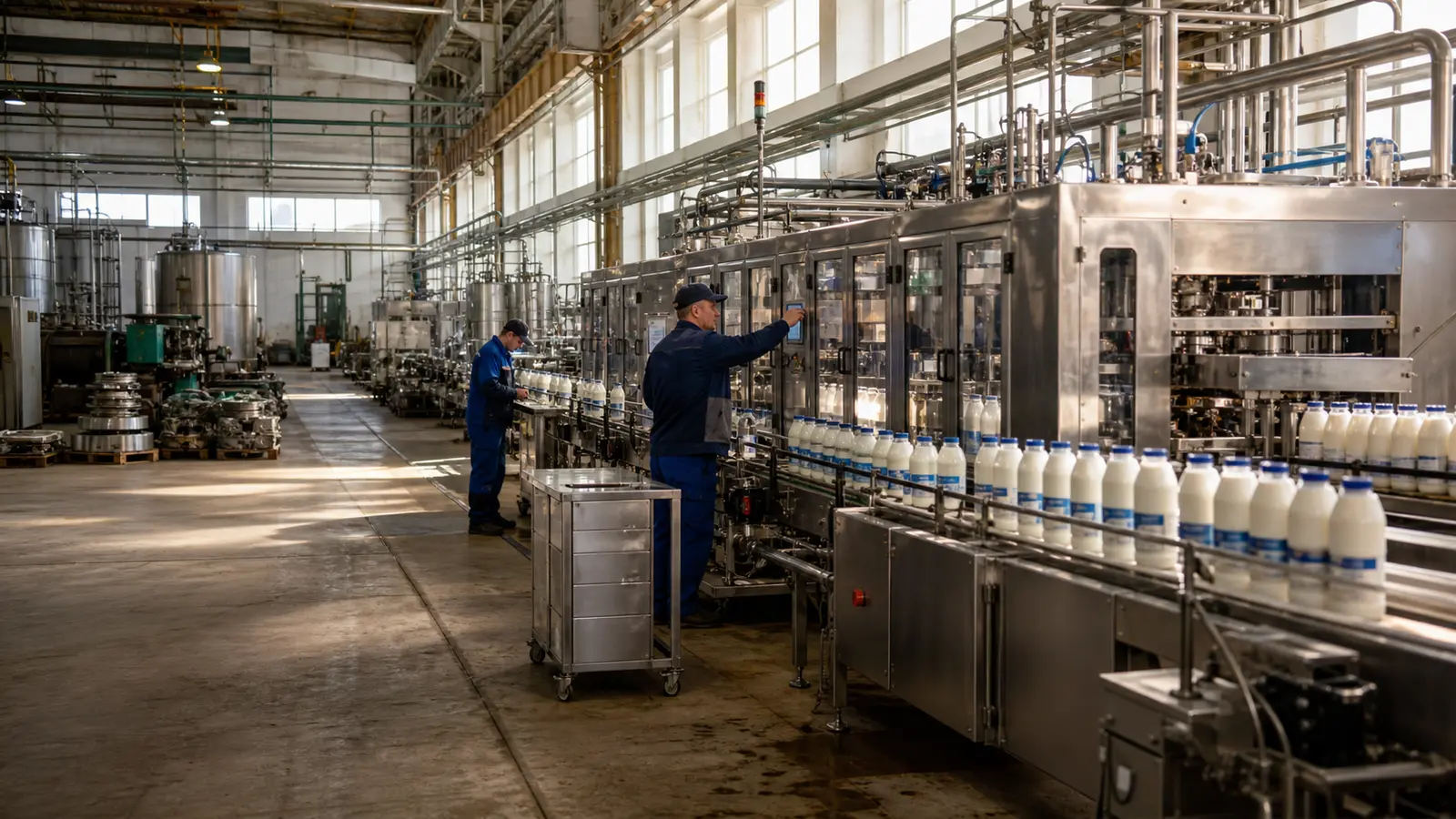
Russian businesses inherited operating assets with deferred capital needs; disciplined baselines, stage gates and portfolio governance can turn ownership into renewed competitiveness.

Anthropic, OpenAI and Apple's history show how a clear customer, constrained portfolio and explicit resource choices turn AI possibility into a durable product.

Russia's insurance rebound shifts from short life-policy volume toward motor, health and property protection built on pricing, retention and fair claims.

International oilfield-service activity showed why compliance, portable data, local skills and tested alternatives must operate as one continuity system.

June output grew, but heavy engineering and consumer manufacturing followed different demand, inventory and cash-flow cycles.

Travel-agency turnover rose 18%, but price, transaction volume, product mix and execution risk reveal whether the increase can become durable profit.

Domestic software gained share, but switching cost, interoperability, trust and hardware dependencies now decide enterprise competition.
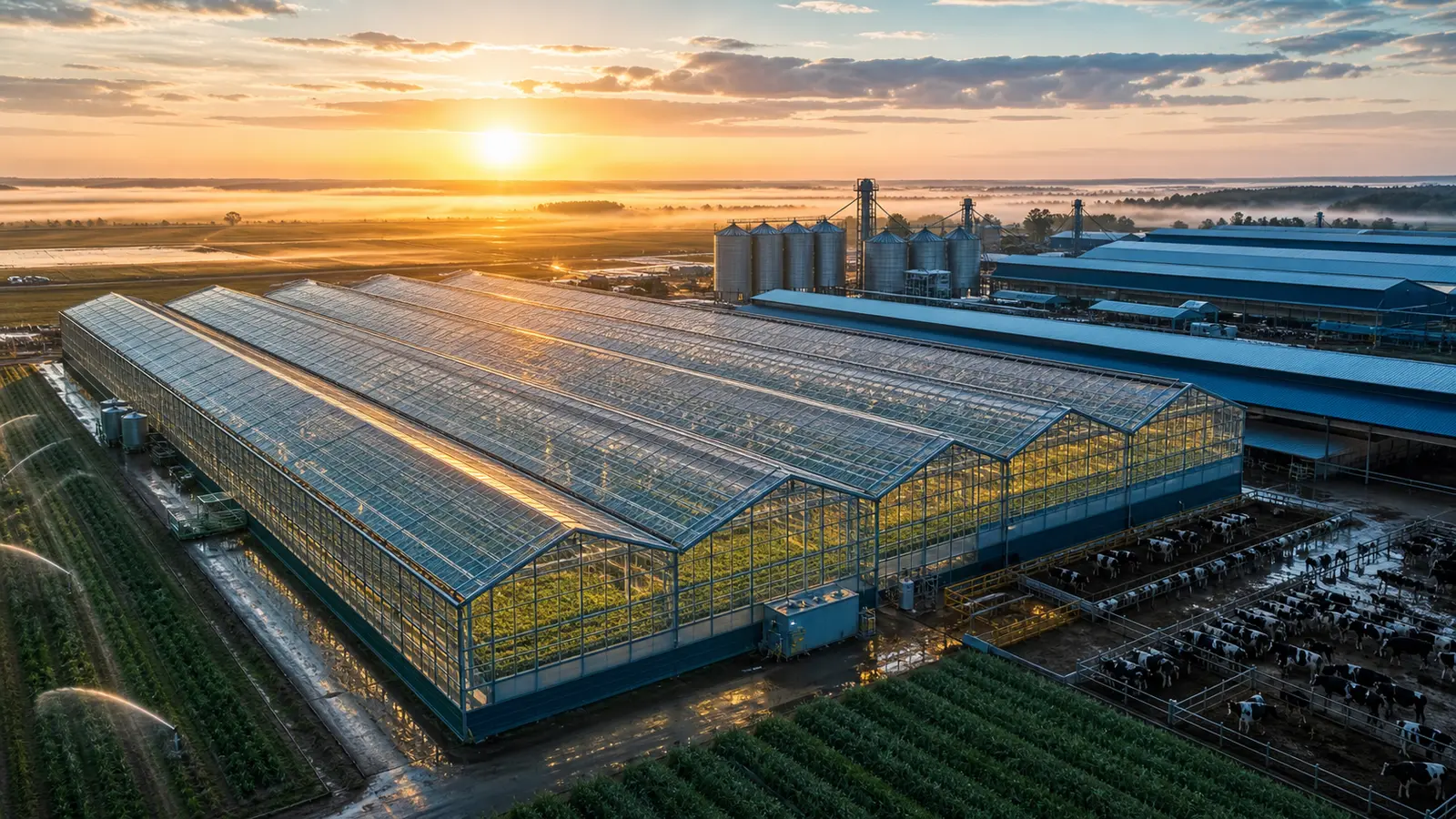
A 32.8% fall in new agricultural projects concentrated expensive capital in large, staged and controlled production systems.
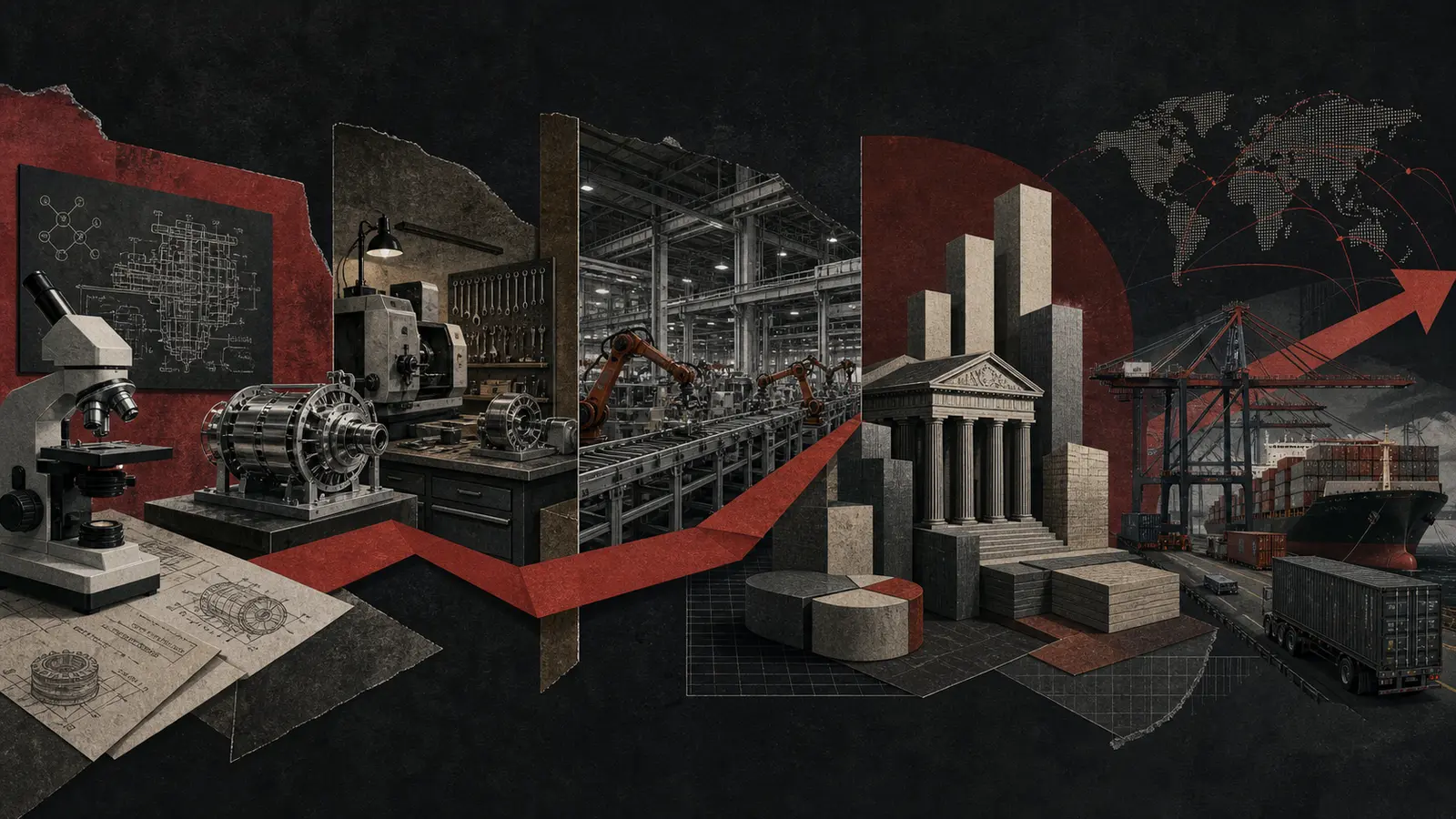
The difficult part of innovation is not producing a prototype but coordinating science, SMEs, manufacturers, finance and exporters around a repeatable commercial system.

Stable trade geography concealed unequal rail, road and maritime conditions, infrastructure bottlenecks and a growing need for reserve routes.

Capital, infrastructure, workforce and demand must follow one schedule if North Caucasus investment commitments are to become operating assets.

A new leasing route lowers the capital barrier to industrial robots, but integration, uptime, workforce skills and demand still determine the return.

A data-driven company needs economic priorities, shared definitions, quality controls, resilient systems and adoption measured against real business outcomes.

Digital platforms give regional small businesses national reach, but sustainable sellers measure full order economics, protect reputation and build alternatives to one algorithm.

VEB.RF's strategy coordinates long finance, technology, regions, exports and suppliers, but its real test is commissioned and utilized capacity.

Weak orders, costly energy and simultaneous technology shifts forced German manufacturers to redesign capital allocation rather than await a cyclical rebound.

High financing costs, covenant pressure and scarce managers turned operating discipline into the construction industry's central financial tool.

Russia's SME count grew for a fourth year, but survival, productivity, payment discipline and regional density reveal the quality behind the total.

A practical pre-mortem, careful reframing and explicit decision rules can turn dissent and uncertainty into better execution before a project meets the market.

Odoo’s secondary transaction shows how modular product architecture, open-source distribution, partners and operating cash can create growth without repeated primary funding.

The next stage of enterprise AI connects corporate memory, operational data and accountable decisions instead of stopping at faster content generation.

Exceptional cloud-security growth raised the financing threshold, but durable SaaS strategy still depends on transparent recurring revenue, customer value and capital efficiency.
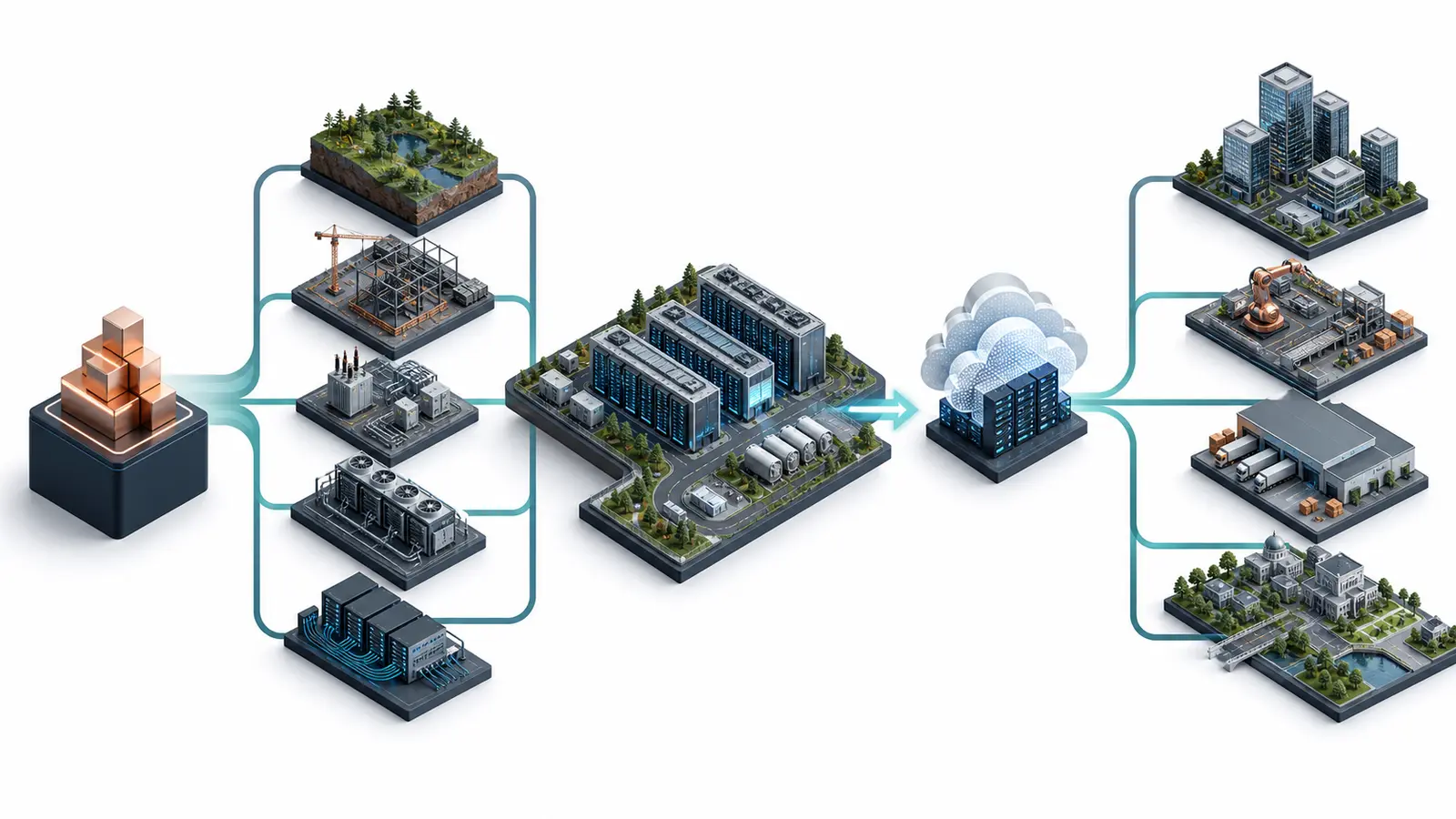
AWS’s five-year investment plan shows how cloud growth depends on capital staging, grid capacity, cooling, networks, skills and measurable customer utilization.
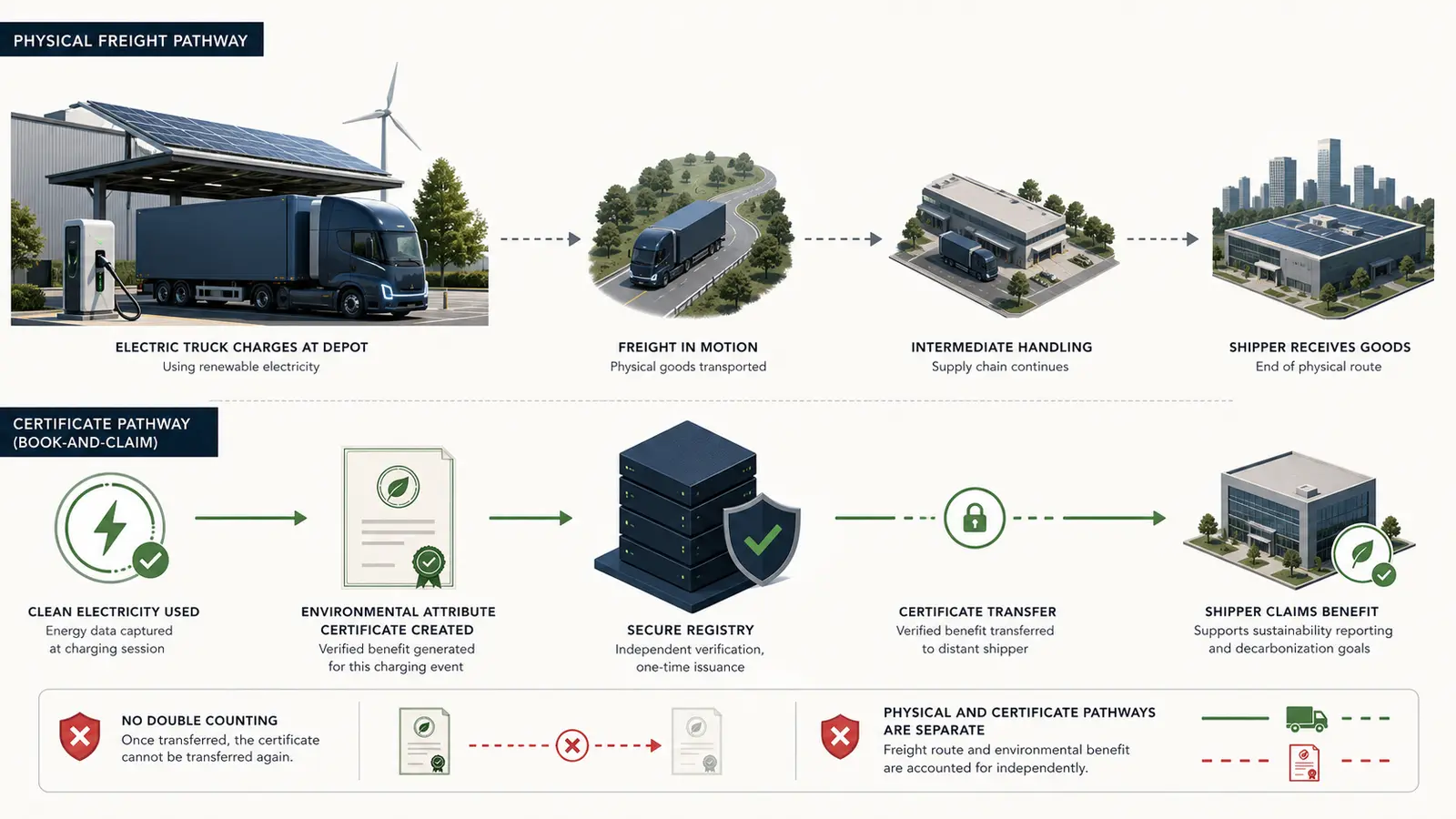
Book and claim can aggregate demand for cleaner freight, but only measured activity, strict registries, additionality and transparent claims turn certificates into fleet investment.

A 2024 executive survey shows procurement moving beyond savings into operational risk, supplier strategy, technology and sustainability.

A durable family-business transition separates ownership, leadership and family roles, then rehearses the handover long before the founder leaves.
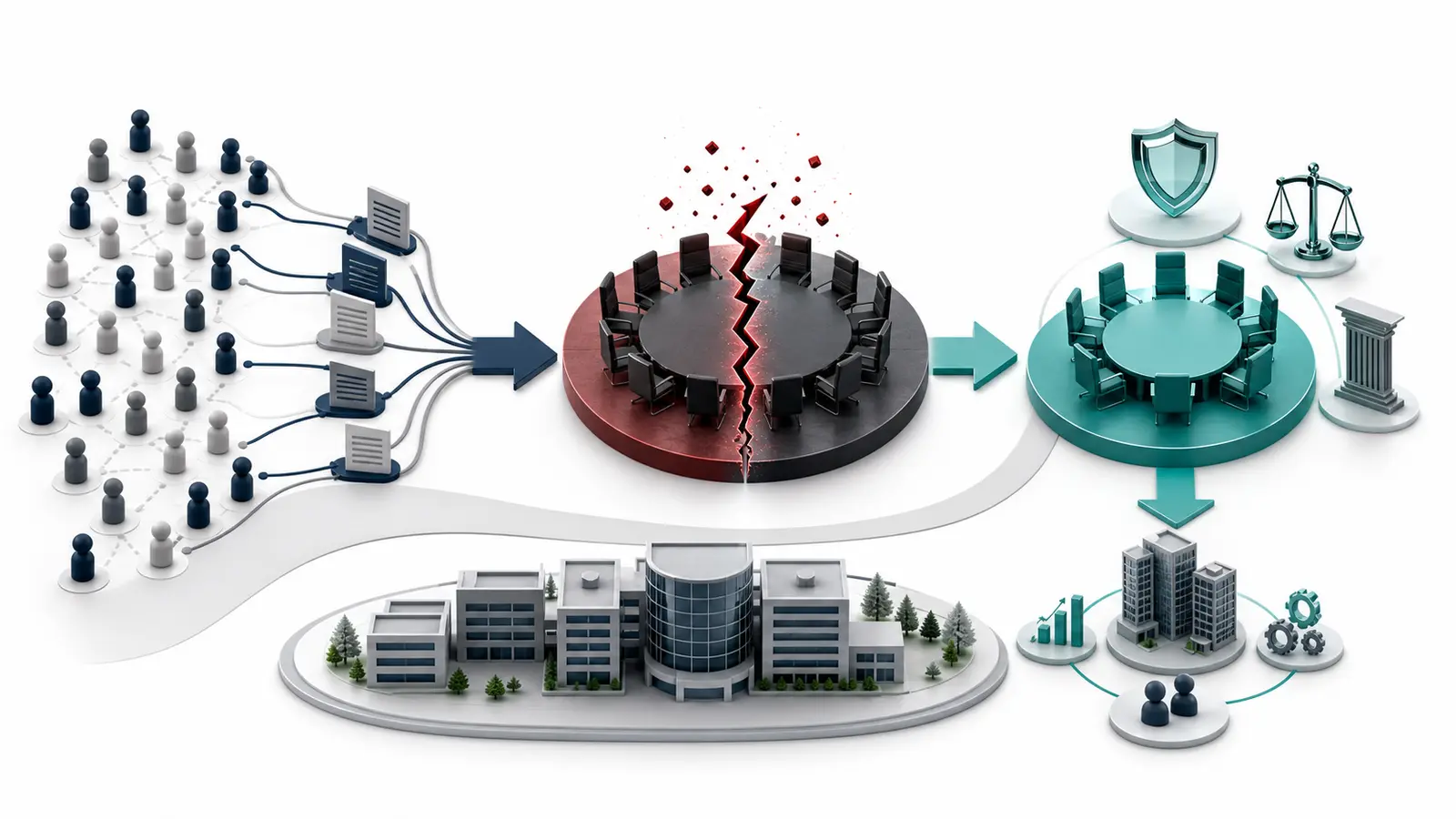
Gildan’s 2024 proxy fight shows how disputed succession, investor coalitions and conflict costs can strip a board of practical authority before a formal vote.
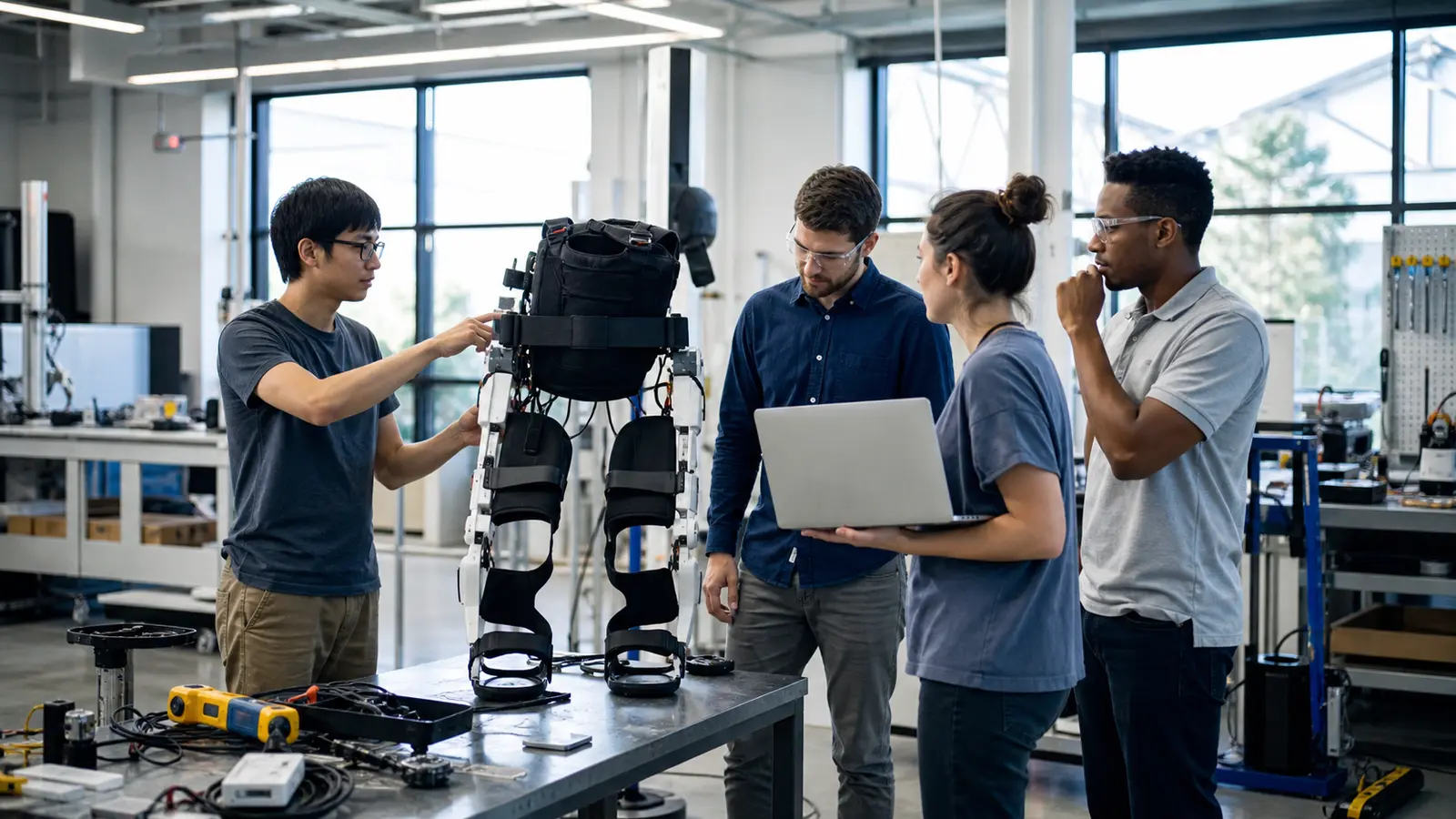
Alphabet X is moving more experimental technologies into independent companies, changing how corporate moonshots find capital, customers and commercial discipline.

Smaller fragmented pension pots, stronger consumer-protection duties and controlled automation are forcing advisory firms to redesign their operating model.
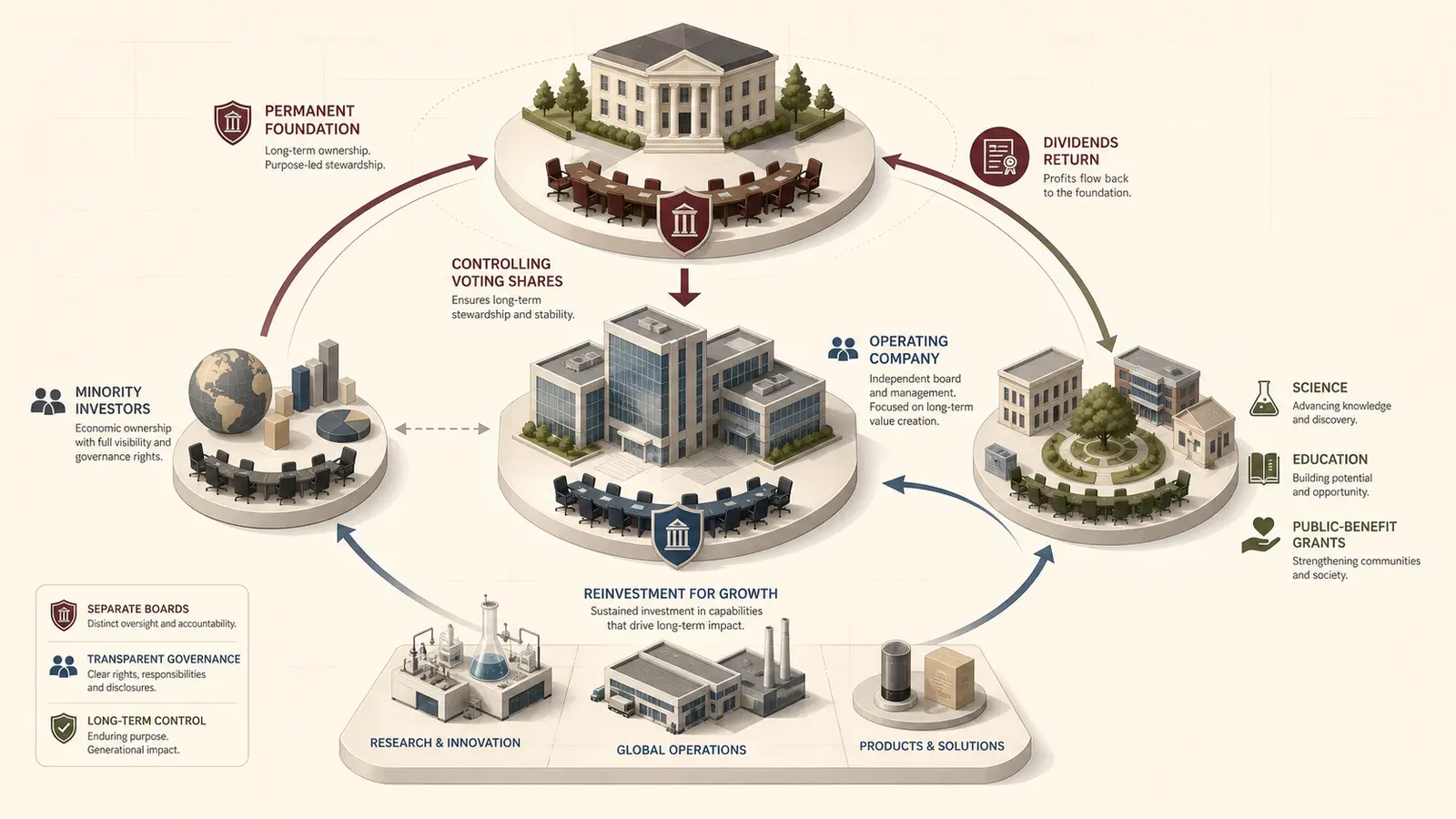
Enterprise foundations can turn permanent voting control into patient capital, but only strong boards, minority protections and measurable accountability keep purpose from becoming complacency.

Hawksmoor's 2024 acquisition pause illustrates why integration, regional talent and organic growth must convert purchased scale into one operating business.

The Red Sea disruption showed how a longer route can consume exporters' margins, delay cash and force a rethink of inventory, contracts and production geography.

A 2024 global survey shows why resilient companies diversified some suppliers, deepened other partnerships and treated geography, inventory and technology as one strategic portfolio.