
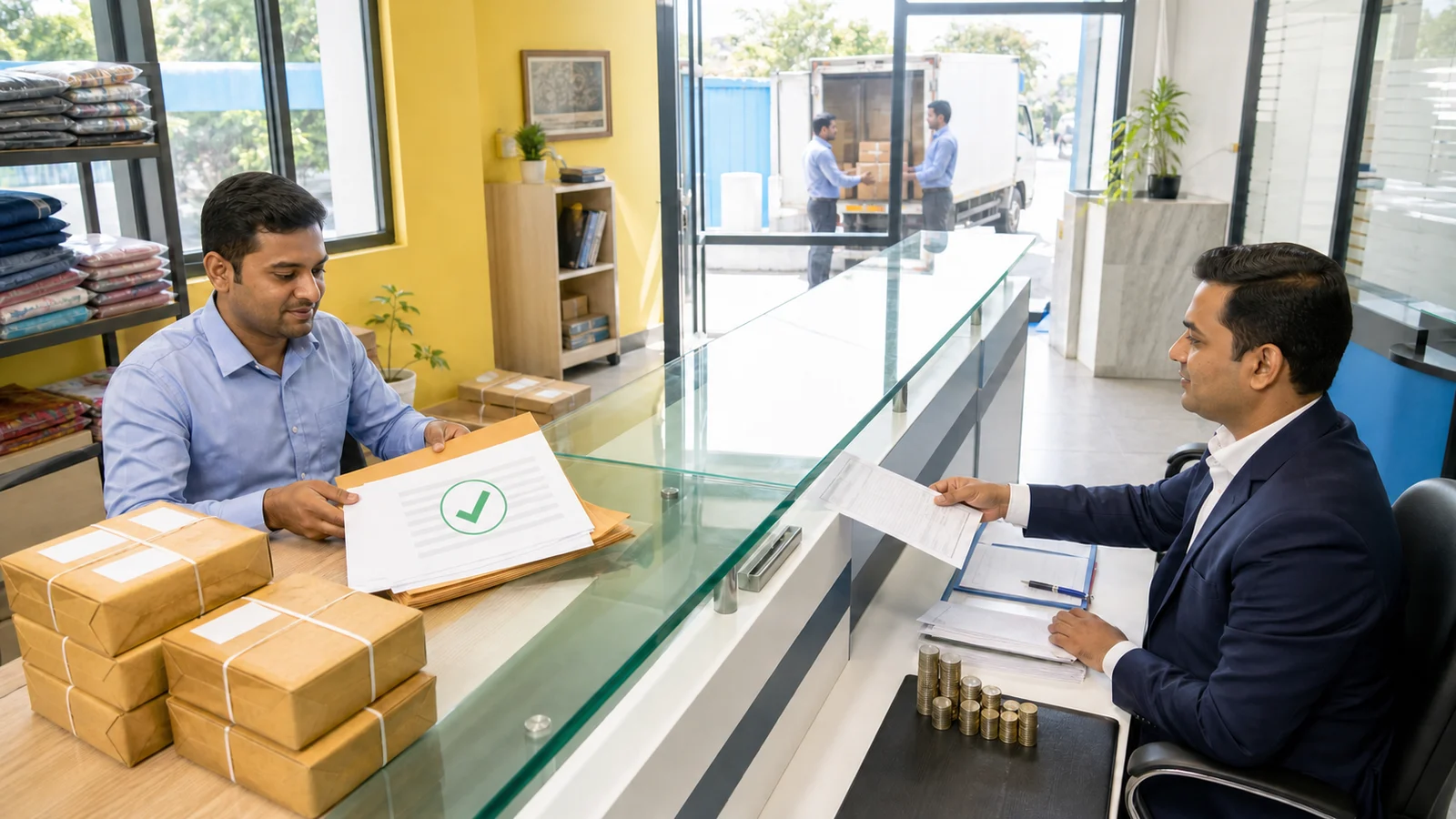
On 11 June 2024, T-Bank (Т-Банк) announced an agreement with Qiwi (АО Киви) to acquire 51% of two companies in the ROWI (РОУИ) fintech group: ROWI Factoring Plus and ROWI Technologies. According to Anastasia Korochkina at Forbes Russia, the parties had signed the agreement, but the transaction still required approval from the Federal Antimonopoly Service on the publication date. Its commercial terms were not disclosed.
For the financial market in Russia, the announcement represented more than a shareholder change. T-Bank was gaining an operating digital factoring platform for small and medium-sized enterprises, while ROWI was gaining a partner able to provide banking infrastructure and funding. The remaining 49% would stay with Plus Management Group, owned by platform executives and co-founders Viktor Vernov and Evgeny Rodionov. ROWI's team was expected to retain operating autonomy and its existing strategy.
What T-Bank intended to acquire
Factoring finances a supply contract that includes deferred payment. A supplier delivers goods or services, confirms the claim against the buyer and assigns it to a factor. The finance company advances most of the amount, allowing the supplier to avoid waiting until the contractual due date. Once the buyer settles, the parties complete the transaction according to its fee and contractual conditions.
ROWI combined capital with technology for assessing clients, issuing finance and administering receivables. The platform also financed marketplace merchants through its Sellplus service and supplied banks with digital systems for guarantees to public-procurement participants and contract-performance lending. Acquiring control could therefore expand T-Bank's SME product range faster than building every specialized process internally.
The transaction and business in five figures
- 51% of two legal entities. Control would move to the T-Bank group while the founders retained 49% through their company.
- RUB16 billion. This was ROWI's factoring portfolio at the end of 2023.
- RUB10.4 billion. This part of the portfolio related to small and medium-sized enterprises.
- RUB68.4 billion. The platform paid this amount to clients during 2023.
- RUB2.7 billion. ROWI reported this level of income for 2023.
Why the seller needed another partner
ROWI had originally developed as a partnership between its founders and Qiwi. Qiwi's role was to provide banking infrastructure and the funds needed to expand the factoring portfolio. After the Bank of Russia revoked Qiwi Bank's licence on 21 February 2024, the existing shareholder could no longer perform those functions as before. Selling the stake would move the platform to a financial group for which funding and SME services formed part of the core model.
Interfax reported that the 51% stakes had already been pledged to T-Bank before the acquisition announcement. That detail connected the purchase to the wider restructuring of Qiwi assets, but it did not make the transaction automatically complete. Antitrust approval remained a condition on 11 June, so the accurate description was a signed agreement and an announced acquisition of control rather than a completed transfer of ownership.
What the acquisition could offer smaller companies
For a supplier, the central benefit of factoring is working-capital velocity. A company can buy materials, pay for its next shipment or fulfil another order while a large customer uses an agreed payment period. This is particularly relevant to a growing business that records profit but still has cash locked in receivables. Integration with a bank may simplify assessment, payment and daily management of the financing limit.
Membership in a large financial ecosystem does not by itself guarantee attractive terms. A client still needs to compare the fee, initial advance, recourse provisions, limits for individual buyers and procedures for disputed deliveries. A rapid decision is valuable only when its total cost remains below the order margin and does not conceal structurally unprofitable sales.
T-Bank also faced the task of preserving ROWI's entrepreneurial speed. The promised autonomy reduced the risk that a specialist platform would disappear inside a banking hierarchy. At the same time, the new controlling shareholder needed to provide risk governance, reliable funding and regulatory compliance. Combining product independence with group-wide control is more difficult than simply adding a service to a catalogue.
The main business conclusion
The agreement illustrated the consolidation of Russian fintech around platforms that solve a specific working-capital problem. T-Bank was not acquiring a generic loan product, but a channel for financing confirmed commercial receivables with an established client base and proprietary technology. Qiwi, by contrast, was leaving an asset for which it could no longer provide the same infrastructure support.
The outcome needed to be judged by more than the size of the stake. The practical tests were whether decision speed remained high, available SME finance expanded, risk stayed controlled and clients could use factoring without unnecessary complexity. Those measures determine whether a corporate acquisition becomes useful financial infrastructure for operating businesses.





















ADI News
Leave a comment