
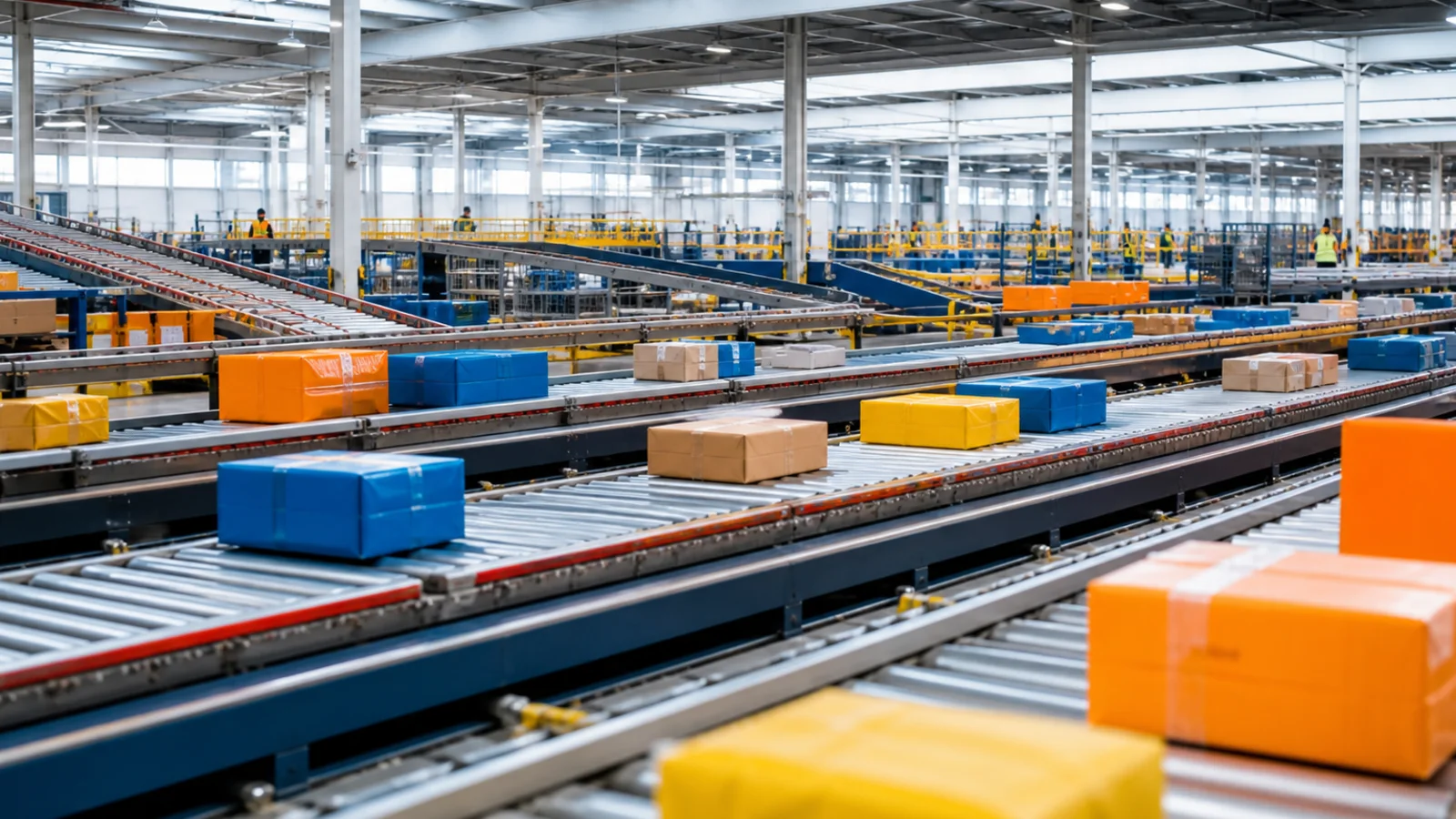
FedEx is reorganizing its physical network, data products and corporate structure as global trade routes shift away from the assumptions that shaped the previous logistics cycle. Chief executive Raj Subramaniam calls the transition “reglobalization”: trade is not disappearing, but production and demand are being redistributed across a wider set of corridors.
Fortune described the strategy on August 27, 2026. FedEx moves roughly 18 million packages a day, generates about two petabytes of operational data daily and connects three million shippers with 225 million consumers in 220 countries and territories. That scale lets the company observe changes in trade before many official datasets are complete.
Trade is changing direction rather than ending
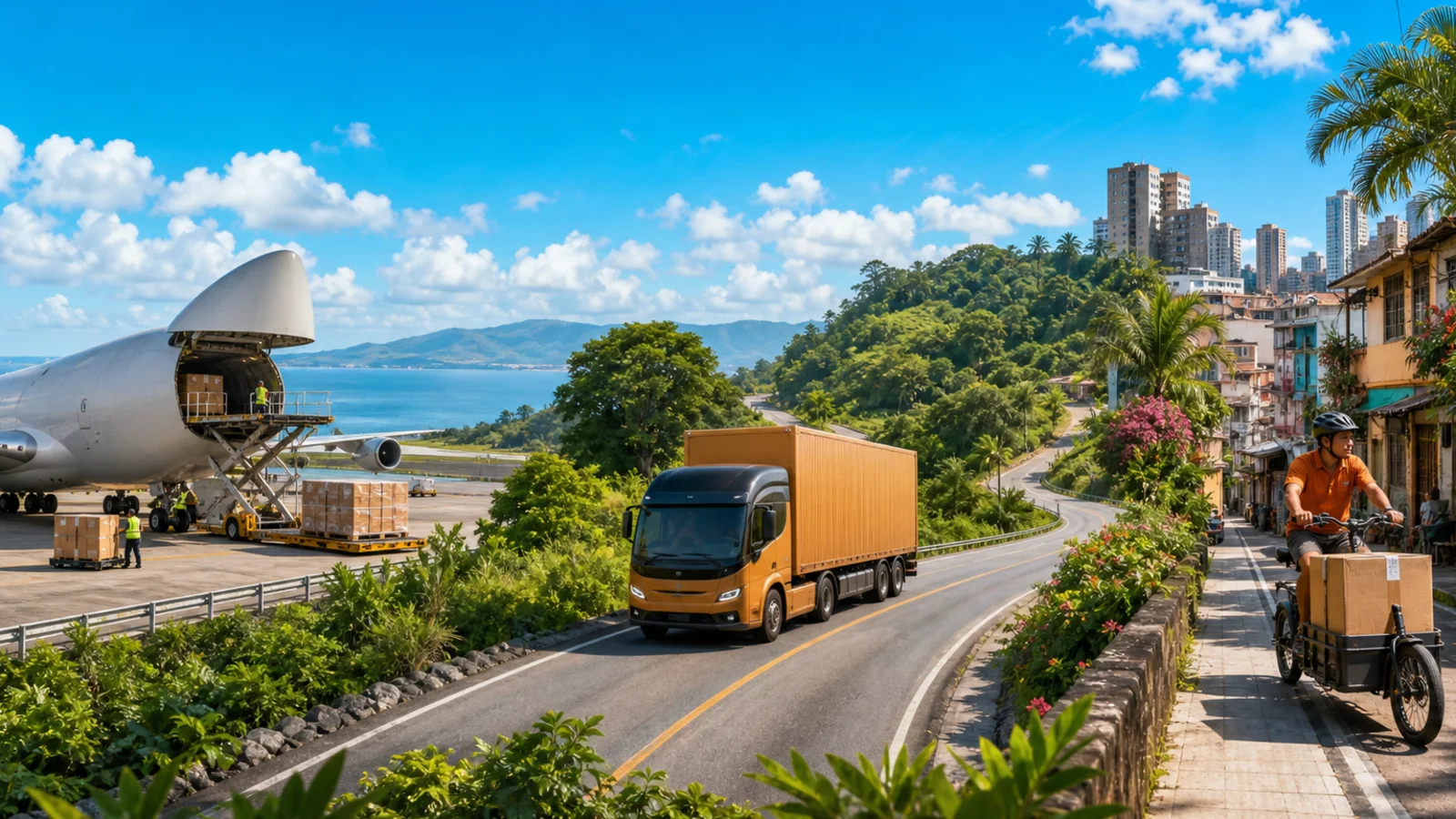
FedEx data showed weaker imports into the United States and stronger exports, while Latin America, Southeast Asia and India delivered rapid growth. Those changes create a different operating map. Aircraft, hubs, trucks and staff cannot be moved instantly, so a logistics company must decide which shifts are temporary and which justify permanent capacity.
Subramaniam’s term is useful because it avoids a false choice between globalization and retreat. Supply chains can remain international while adding regional suppliers, alternative ports and shorter final routes. For FedEx, the opportunity is to sell reliability and visibility across that more complicated structure. The risk is carrying yesterday’s fixed cost while tomorrow’s volumes develop elsewhere.
Three transformations are running together
The DRIVE program began as a multiyear effort to reduce structural costs after pandemic-era demand normalized. It has expanded into three linked changes: combining the Express and Ground networks in the United States, building digital services from proprietary logistics data, and redesigning the organization around the new operating model. FedEx Freight was also separated and began trading independently on June 1, 2026.
What the operating program must coordinate
- One network: reduce duplicated routes and choose the most efficient facility for each shipment.
- Capacity discipline: align aircraft, vehicles, shifts and contractor use with changing demand.
- Data products: turn parcel events into planning signals for enterprise customers.
- Service control: preserve delivery performance while facilities and routes are consolidated.
- Accountability: connect cost savings to margin, growth and customer outcomes.
Merging networks can increase density and reduce duplicated pickup, line-haul and sorting work. It also raises execution risk. A facility closure or route redesign that looks efficient in an average model may create longer recovery times during weather, peak demand or an aircraft disruption. Management must test not only normal utilization but also spare capacity and handoff quality.
Dataworks adds a second commercial layer
FedEx produces two petabytes of data each day from scans, routes, delivery attempts and capacity decisions. FedEx Dataworks is intended to convert that stream into products that help customers understand inventory movement and demand. The company has formed data partnerships with Dun & Bradstreet and ServiceNow, according to Fortune.
The value does not come from volume alone. Customers need timely, permissioned and explainable signals tied to decisions such as where to hold inventory or which delivery promise is realistic. FedEx must protect commercial confidentiality and distinguish observed parcel events from inferred market demand. A trusted product can diversify revenue; a vague dashboard will remain an internal cost.
Financial proof must follow the operational story
FedEx generated $94.7 billion in revenue in the fiscal year ended in May, an increase of 8%. The company still needs to show that network simplification can expand margins through durable productivity and growth, rather than through cost reduction alone. Investors will watch service levels, package density, cost per stop, aircraft utilization and Dataworks revenue alongside headline savings.
The broader test is whether the company can move capacity fast enough for reglobalization without sacrificing resilience. If integrated operations and better data allow FedEx to see new corridors early, the network can become more valuable as trade fragments. If restructuring introduces missed handoffs or inflexible hubs, complexity will consume part of the promised gain. The next results will show whether three simultaneous transformations reinforce one another or compete for management attention.


ADI News
Leave a comment