
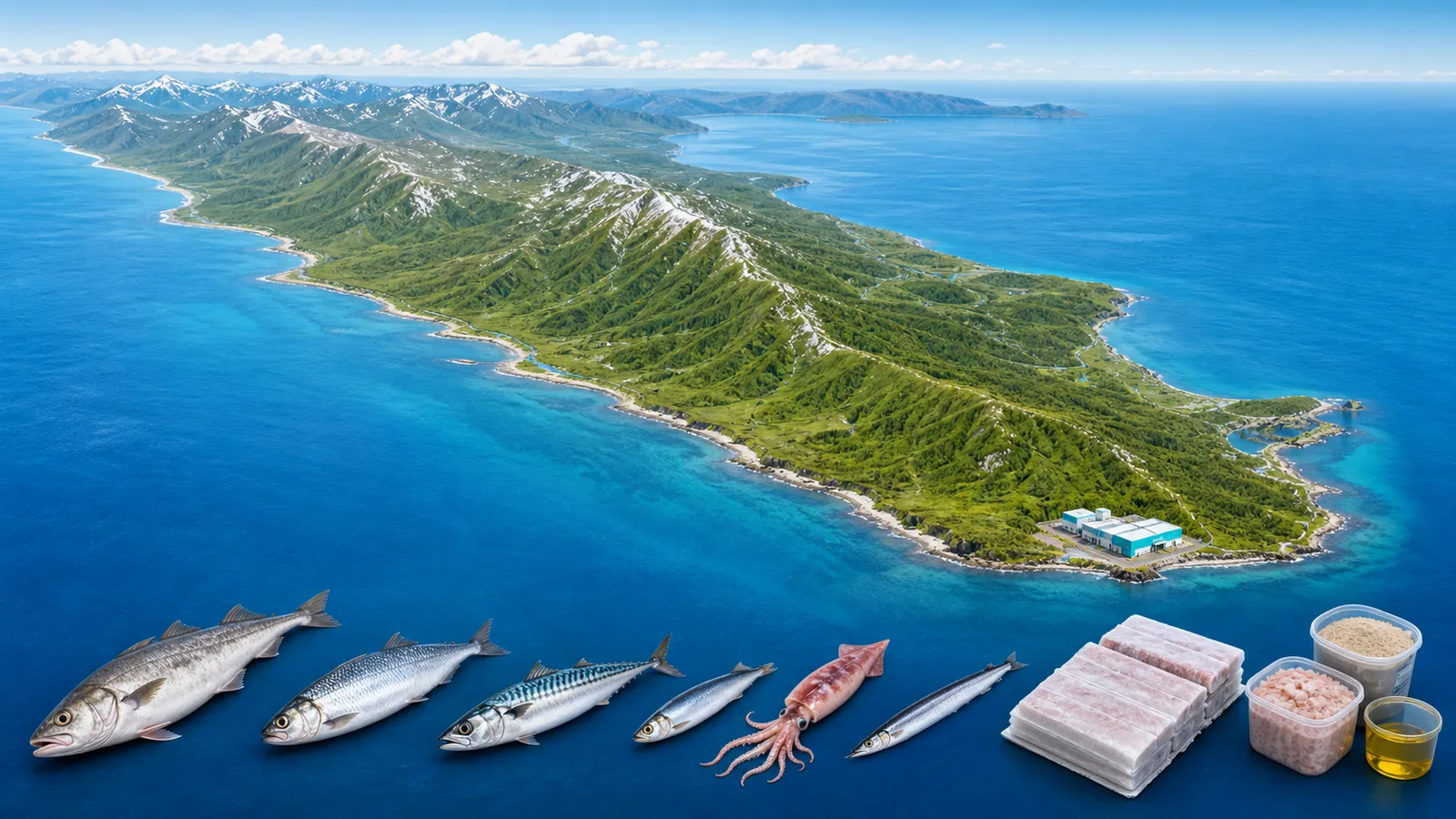
A large automated fish-processing complex has opened in the village of Ozerskoye in the Korsakov District of Russia's Sakhalin Region. The plant can process up to 500 tonnes of products a day and is designed to make frozen fish, fillets and useful products from processing residues. Business FM reported the opening on October 2, 2025.
The facility can work with pollock, Pacific herring, mackerel, iwashi sardine, squid and saury. This multi-species design matters in a seasonal industry: the factory can switch raw materials as fishing conditions and quotas change instead of depending on one catch throughout the year. Deeper processing also creates more value than shipping undressed frozen fish.
Five hundred tonnes require an integrated cold chain
Daily design capacity is only useful when vessels, unloading points, processing lines, freezers, cold stores and transport work as one system. Fresh raw material is perishable, while catches can arrive in concentrated periods. The plant must therefore match intake with sorting, cutting, freezing and dispatch without allowing queues to reduce quality.
Automation can improve consistency and labour productivity, but it also raises the cost of interruption. Sensors, conveyors, cutting equipment and refrigeration need preventive maintenance and spare parts. Reliable electricity and backup procedures are essential because a long failure can affect both incoming catch and inventory already held at controlled temperatures.
The operating model depends on
- A predictable supply of several species from Far Eastern fisheries.
- Fast unloading and quality control before raw material enters the line.
- Stable freezing, storage and refrigerated transport capacity.
- Sales channels for fillets, frozen products and processed by-products.
The ability to produce fillets shifts more processing work and margin toward Sakhalin. It also creates stricter requirements for yield, portion accuracy, packaging and customer specifications. A buyer of finished retail or food-service products expects uniform output, while a commodity buyer may accept wider variation in whole frozen fish.
Processing residues become a second product stream
Fish heads, frames, skin and trimmings are often described as waste, but they contain protein, oil and minerals. If separated cleanly and processed promptly, they can become ingredients for feed, technical products or other uses. This reduces disposal costs and improves the value recovered from every tonne delivered to the factory.
The commercial benefit depends on stable markets and quality control. By-products vary by species and process, and customers require predictable composition. The plant therefore needs separate handling, storage and documentation rather than treating residues as an afterthought. A well-run secondary line can support both profitability and environmental performance.
Business indicators after the opening
- Average utilisation compared with the stated 500-tonne daily ceiling.
- The share of output sold as fillets and other higher-value products.
- Yield from each species and the proportion of residues converted into saleable goods.
- Energy use, downtime and cold-storage turnover.
- Repeat contracts in domestic and export markets.
A regional project with national supply implications
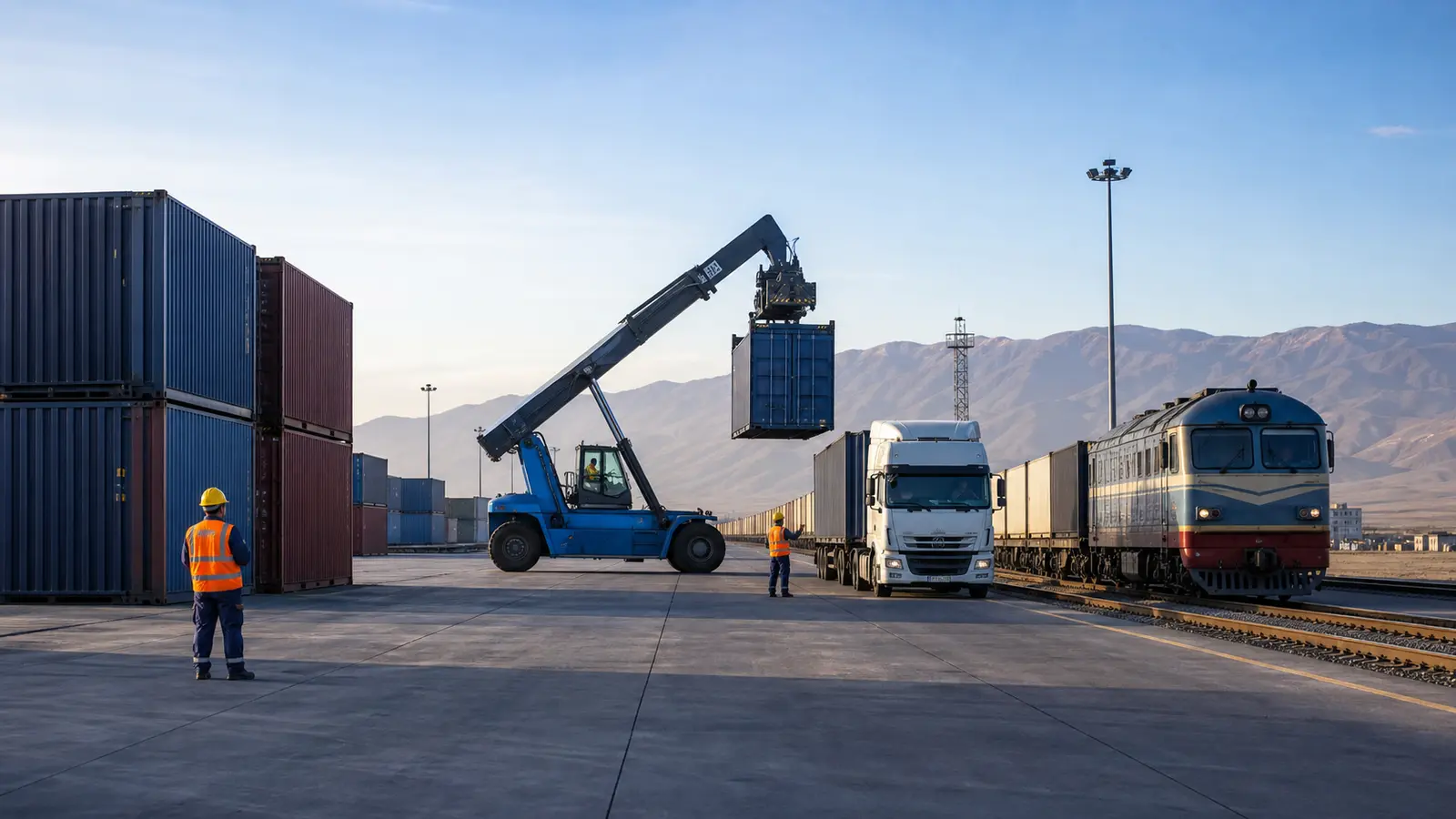
Sakhalin is close to major fishing grounds but far from many consumer centres. Processing near the catch can remove water and low-value material before long-distance transport, while freezing stabilises the product for distribution. The economics still depend on refrigerated logistics from the island and on schedules that connect production with buyers across Russia.
The broad raw-material list can make the plant more resilient, yet it increases planning complexity. Each species has its own season, anatomy, yield and market. Managers must coordinate fishing companies, production settings, packaging inventory and sales commitments so that flexibility does not become excessive changeover time.
The opening adds modern capacity to the Far Eastern seafood chain, but the decisive test begins with routine operation. Sustained utilisation, high recovery, reliable refrigeration and repeat demand will show whether the complex can convert a 500-tonne technical capability into stable regional income and a larger supply of deeply processed fish products.













ADI News
Leave a comment