
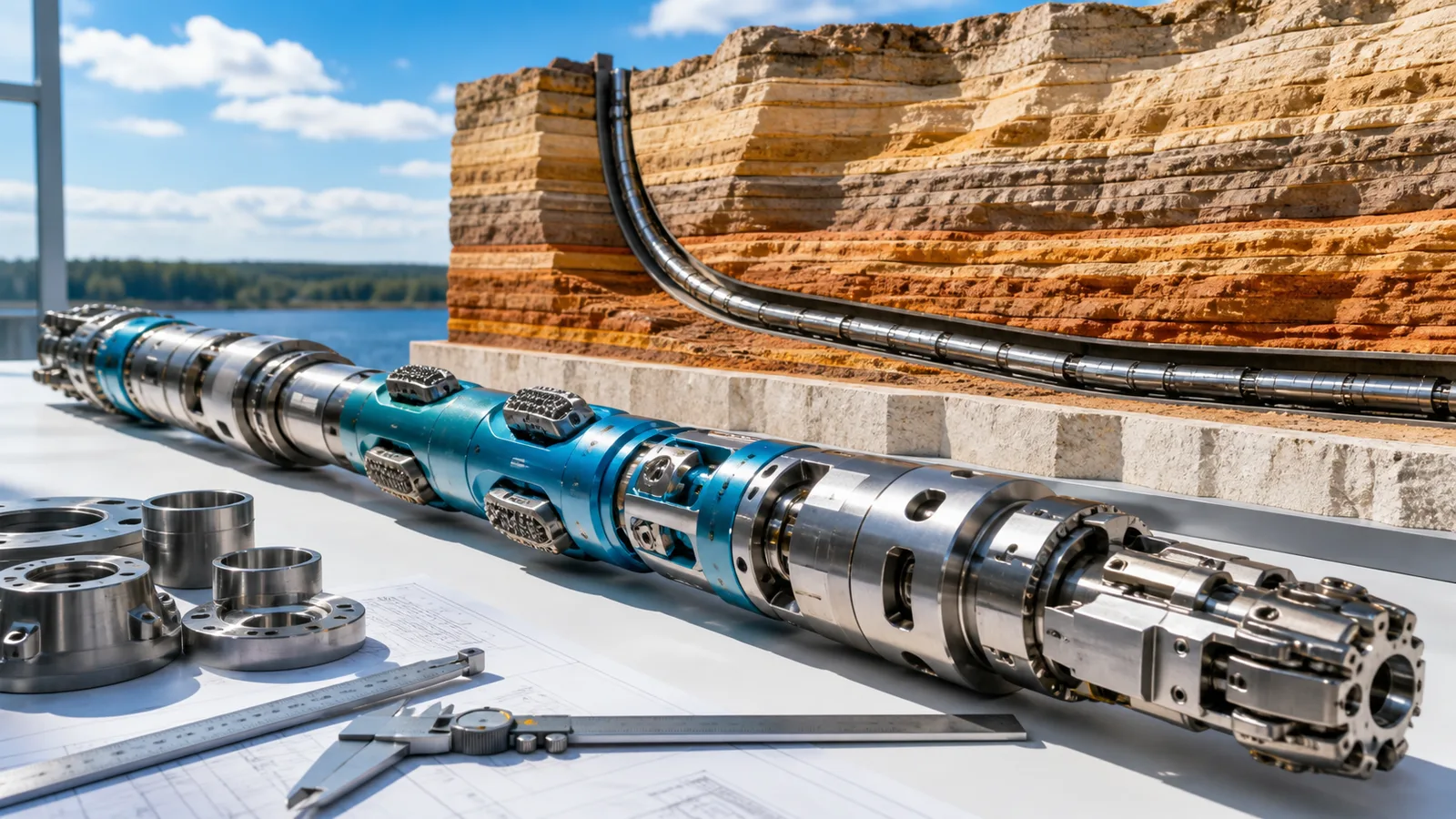
TOFS Group has opened the first manufacturing site in its industrial cluster in Tyumen and begun serial production of high-technology drilling equipment. The full-cycle plant represents an investment of about RUB 7 billion and is designed to make roughly 700 units a year. Interfax reported the launch on September 17, 2025, citing the company and regional officials.
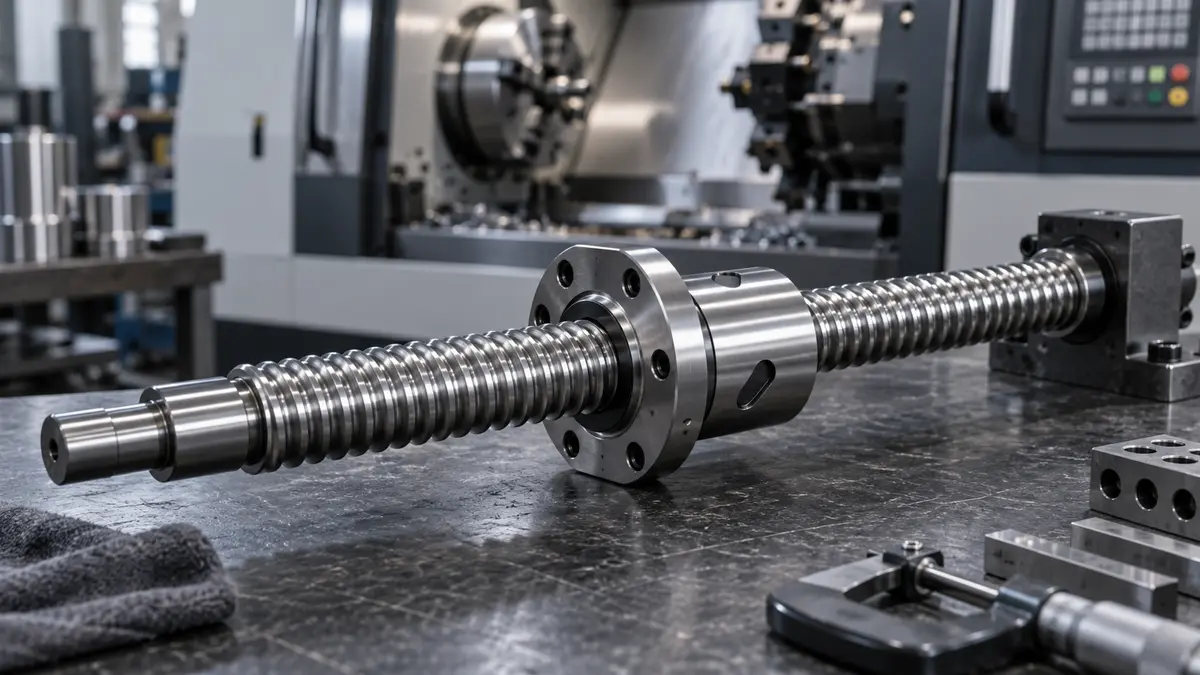
The new operation will manufacture equipment for directional drilling, including rotary-steerable systems, as well as components used to complete oil and gas wells. Thirty-five computer numerical control machines have been installed at the site. TOFS stresses that the project is a complete production chain rather than an assembly shop: the plant can machine precision parts, prepare components and deliver finished products within one industrial system.
A manufacturing base for directional drilling
Directional drilling lets an operator guide a well toward a target that is not directly beneath the drilling rig. A rotary-steerable system adjusts the path while the drill string continues rotating, helping crews create long horizontal sections and reach difficult reservoirs. The equipment must tolerate vibration, pressure, heat and abrasive fluids while transmitting reliable information and mechanical force deep underground.
That makes localisation more demanding than replacing one imported catalogue item. A producer needs accurate metalworking, controlled materials, durable electronics, calibration, testing and repair expertise. The 35 CNC machines provide a base for repeatable complex geometry, but the value of the investment will ultimately depend on process discipline and the ability to prove performance in field conditions.
What the first site is intended to supply
- Rotary-steerable and other directional-drilling equipment.
- Components required during the completion of oil and gas wells.
- Precision-machined parts for the group's own service fleet.
- Potential contract output for other oilfield-service companies.
TOFS plans to use the initial output to renew its own equipment fleet before expanding supply under contracts with other service businesses. This sequence gives the manufacturer a demanding internal customer and an opportunity to collect operating data. It can identify wear patterns, refine maintenance intervals and improve designs before competing more broadly in the market.
From inherited assets to a domestic production chain
TOFS, formerly known as Technologies OFS, developed from Russian assets acquired from Baker Hughes by a local management team in late 2022. The group now operates in 11 regions of Russia. The Tyumen investment moves the business further from operating and maintaining an inherited fleet toward manufacturing systems and components under its own industrial programme.
The location is significant. Tyumen is one of the principal service and engineering centres supporting oil and gas activity in Western Siberia. A manufacturing cluster there can shorten the distance between designers, production engineers, service crews and wells. Fast feedback matters when equipment works under geological conditions that differ between fields and when downtime carries a high operational cost.
The plant can also make precision parts for machine-tool building, automotive production and heavy engineering. Diversification could improve machine utilisation when oilfield orders fluctuate. It also raises the commercial challenge: external customers will expect competitive prices, documented quality and reliable delivery rather than purchasing solely because capacity is domestic.
Milestones through the end of 2026
- Stabilise serial production and confirm that finished equipment meets field requirements.
- Renew the TOFS service fleet and convert operating experience into design improvements.
- Reach the planned annual capacity of about 700 units by the end of 2026.
- Open production to outside oilfield-service customers and selected engineering sectors.
- Develop the proposed research and development centre next to the plant.
The research centre is the logical next stage. Manufacturing imported designs can restore supply, but long-term independence requires engineers who can adapt tools, materials, software and test methods. TOFS said an investment programme for the centre was being approved. If it is funded, proximity to the factory should allow prototypes and production feedback to circulate more quickly.
The business test is utilisation, reliability and repeat orders
The headline figures are substantial, yet commissioning does not guarantee economic success. The plant must build a stable order book, keep expensive machines occupied and demonstrate that its systems can operate for the required intervals without costly failures. Oilfield equipment is judged not only by purchase price but also by drilling speed, accuracy, maintenance needs and the consequences of downtime.
The group has set a broader objective of reaching 90 percent domestic technological independence for the fuel and energy sector. The Tyumen site is one measurable contribution to that aim. Its progress can be assessed through capacity utilisation, the share of locally made critical components, field performance, outside-customer contracts and the launch of original designs from the planned research centre.
For the regional economy, the project adds a capital-intensive engineering operation rather than only warehouse or assembly capacity. For TOFS, it creates tighter control over equipment availability and product development. The decisive evidence will arrive after the opening ceremony: sustained serial output, successful work in real wells and repeat orders from customers that have alternatives.








ADI News
Leave a comment