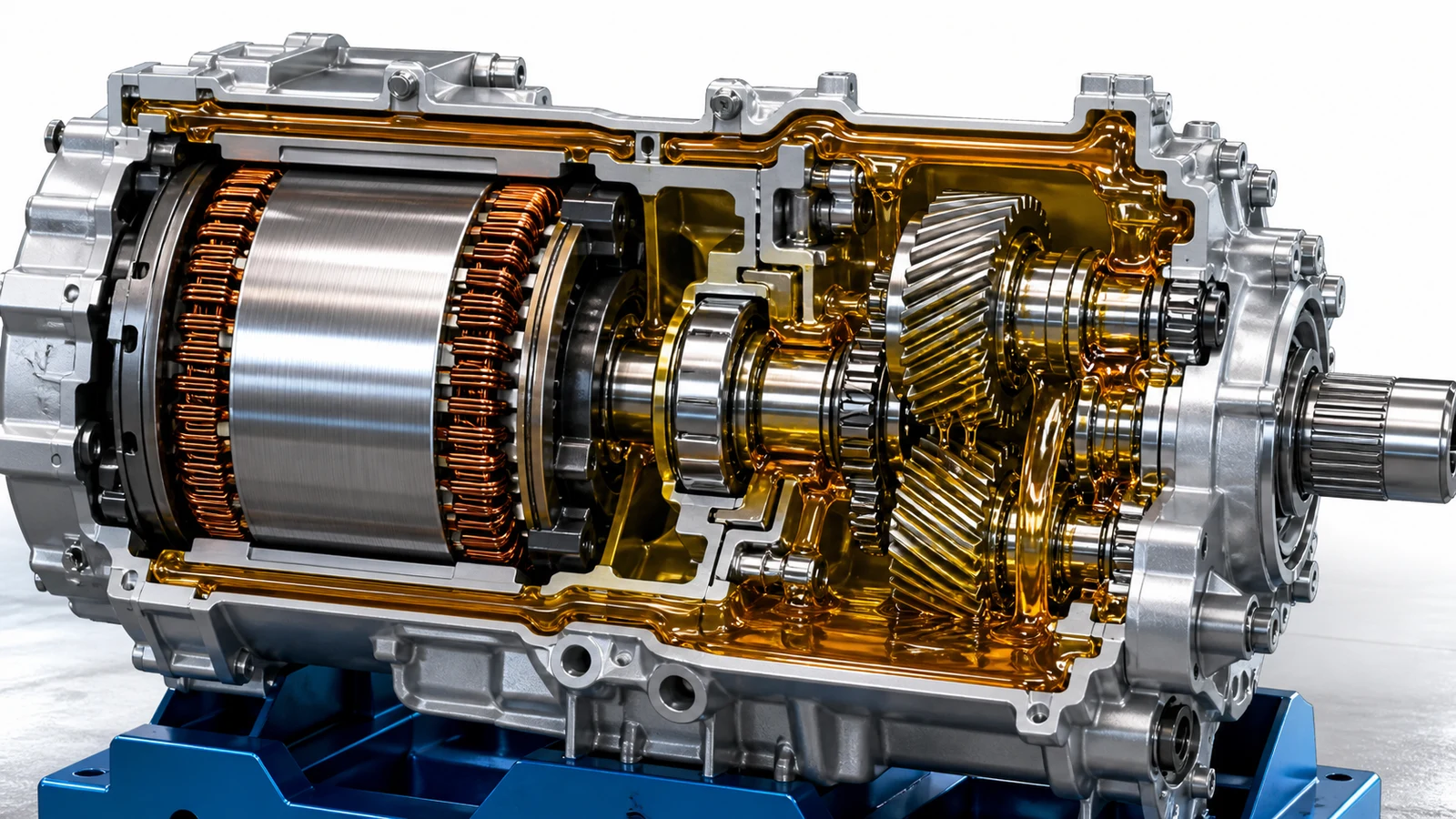
On 4 September 2024, Interfax reported that Top Technology Lubricants had launched production of a specialized fluid for electric-vehicle transmissions at the Lemarc plant in Vorsino, Kaluga Region. The product, Lemarc GEAPARD EV, is a fully synthetic lubricant for reduction drives used with both dry and wet electric motors. The company said it was suitable for most electric-car models.
The launch added an EV-specific product to a plant that already made motor, transmission and industrial oils for Russia and nearby markets. Interfax said the fluid was already attracting demand from Russian service stations and customers in CIS countries. Lemarc's own announcement identified 9 July 2024 as the production start and said the product had reached retail sale by September.
What the Kaluga plant started making
The product is not conventional engine oil repackaged for a new label. A battery-electric car has no combustion engine, but its electric motor, bearings and single-speed reduction gear operate under their own thermal, electrical and mechanical conditions. Lemarc described GEAPARD EV as a formulation based on high-quality base oils and a dedicated additive package intended to protect the transmission from the first minutes of operation.
Why the reduction drive still needs lubricant
The reference to dry and wet motors is commercially important. In a dry design, the lubricant is kept away from motor windings. In a wet design, the fluid may contact electrical components as it cools and lubricates the drive unit. A broadly applicable product therefore needs a controlled balance of wear protection, thermal behavior and compatibility with the materials used inside different drive architectures.
Existing infrastructure lowers the launch barrier
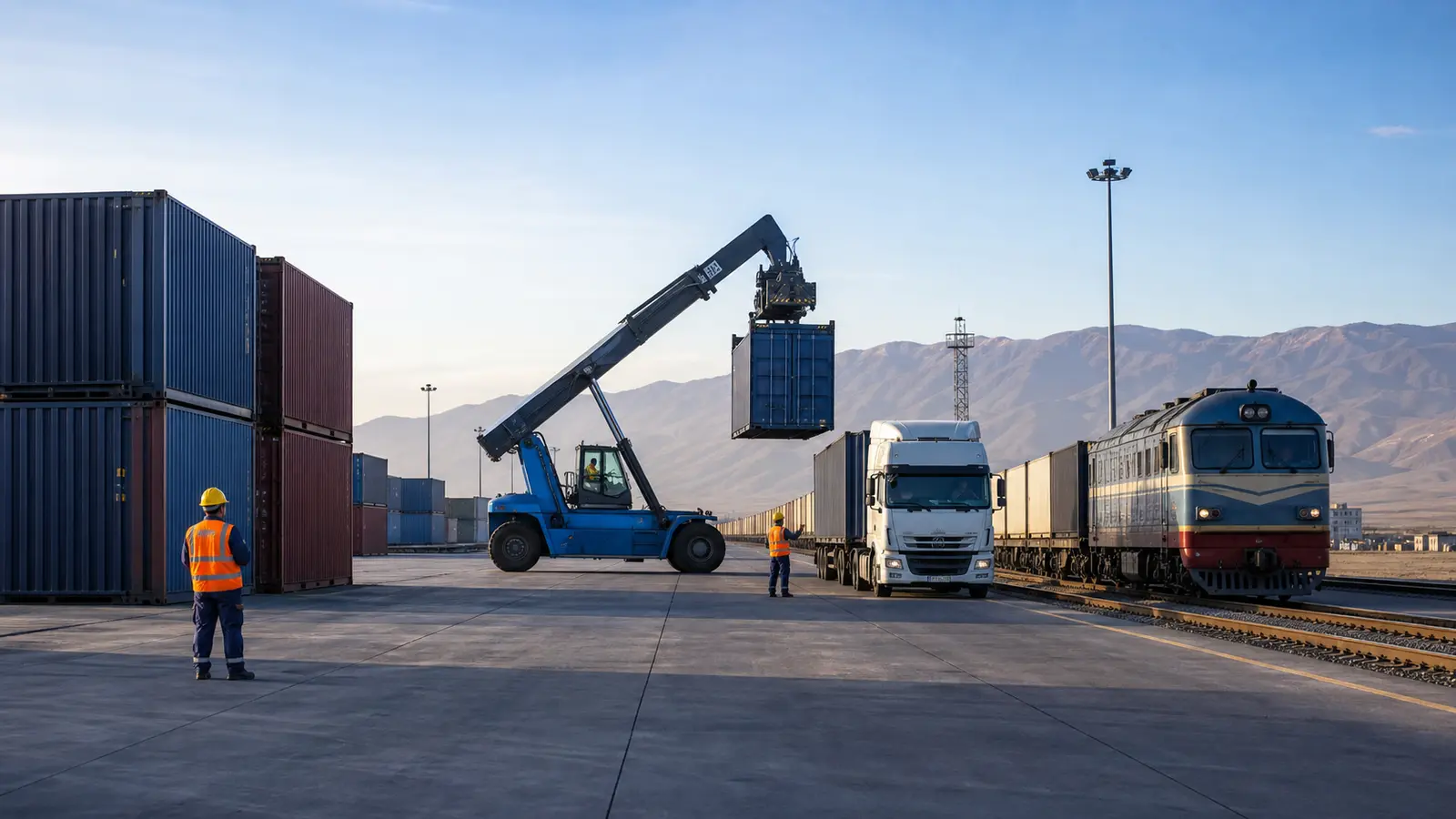
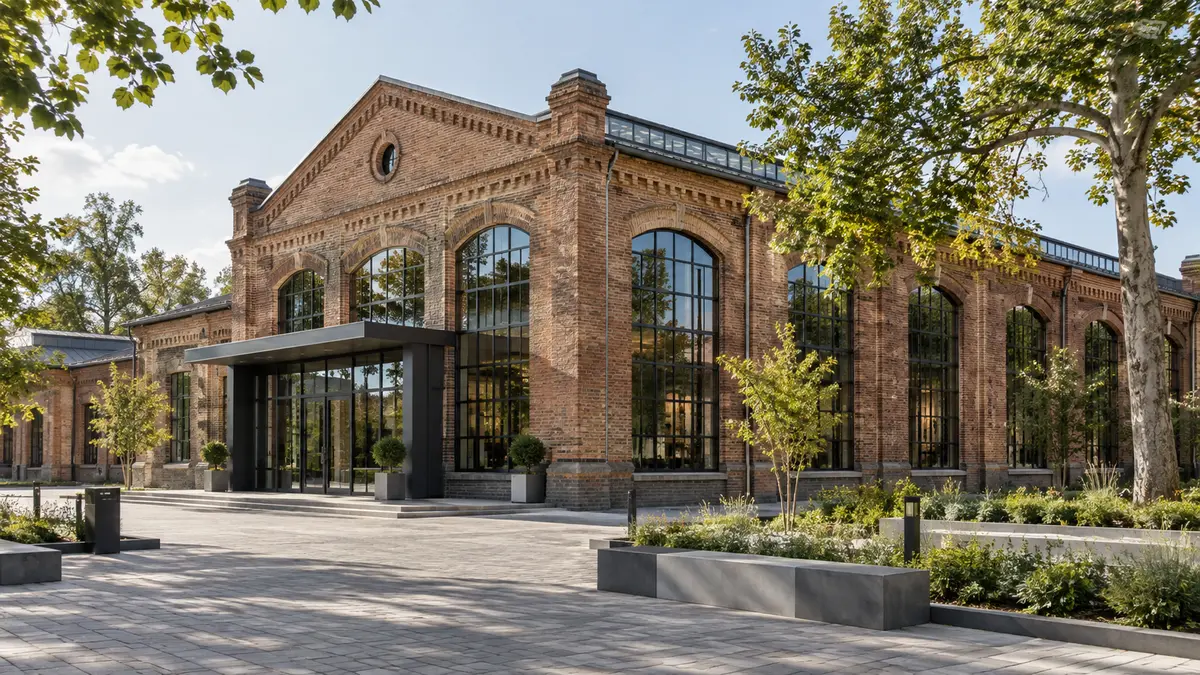
The Vorsino site entered the project with industrial assets already in place. According to Interfax, the factory had its own railway tracks, an 8,000-cubic-metre tank farm and a finished-goods warehouse with 8,000 pallet positions. Production was described as almost completely automated. Those capabilities allow a new formula to use an established chain for receiving base materials, blending, quality control, filling, storage and shipment.
- Product: fully synthetic fluid for electric-vehicle reduction drives.
- Application: transmissions paired with dry or wet electric motors.
- Facility: the automated Lemarc lubricant plant in Vorsino.
- Initial market: Russian service businesses and customers in CIS countries.
A product extension after an ownership change
The factory had previously belonged to TotalEnergies. Interfax, citing the Russian company register, said the French group ceased to own Top Lubricants in March 2023 and that Top Technology Lubricants became the new owner. Lemarc then became the local brand for the site's motor, transmission and industrial lubricants.
The EV fluid therefore represents more than a routine addition to a catalogue. It shows the new operator using inherited physical capacity while developing a product for a changing vehicle fleet. That distinction matters: continuity of a factory preserves blending and logistics capability, while product development determines whether the business can follow new technical demand.
What will determine commercial success
Early interest from service stations is a useful market signal, but repeat demand will depend on technical documentation, stable quality and compatibility with specific vehicles. Workshops need clear application guidance because an incorrectly selected fluid can undermine efficiency or component life. Distributors also need confidence that batches remain consistent and that the product is available across normal service intervals.
The launch gives Lemarc a position in a small but strategically distinct aftermarket segment. Growth will depend on the pace of EV adoption, the age of the operating fleet and whether owners service reduction drives outside dealer networks. Export demand in neighboring countries could broaden the addressable market without requiring a separate production platform.
The business meaning of the launch
Lemarc's move illustrates how an established industrial site can adapt through a narrowly targeted product rather than an entirely new factory. The company combined automated blending, storage and distribution with a formulation designed for electric drivetrains. That approach limits the capital barrier while testing whether regional demand can support a dedicated EV lubricant line.
The decisive evidence will come after launch: approvals, repeat orders, service feedback and sustained distribution. If those indicators develop, GEAPARD EV can turn the Vorsino plant's legacy infrastructure into a bridge toward a different automotive technology market.












ADI News
Leave a comment