
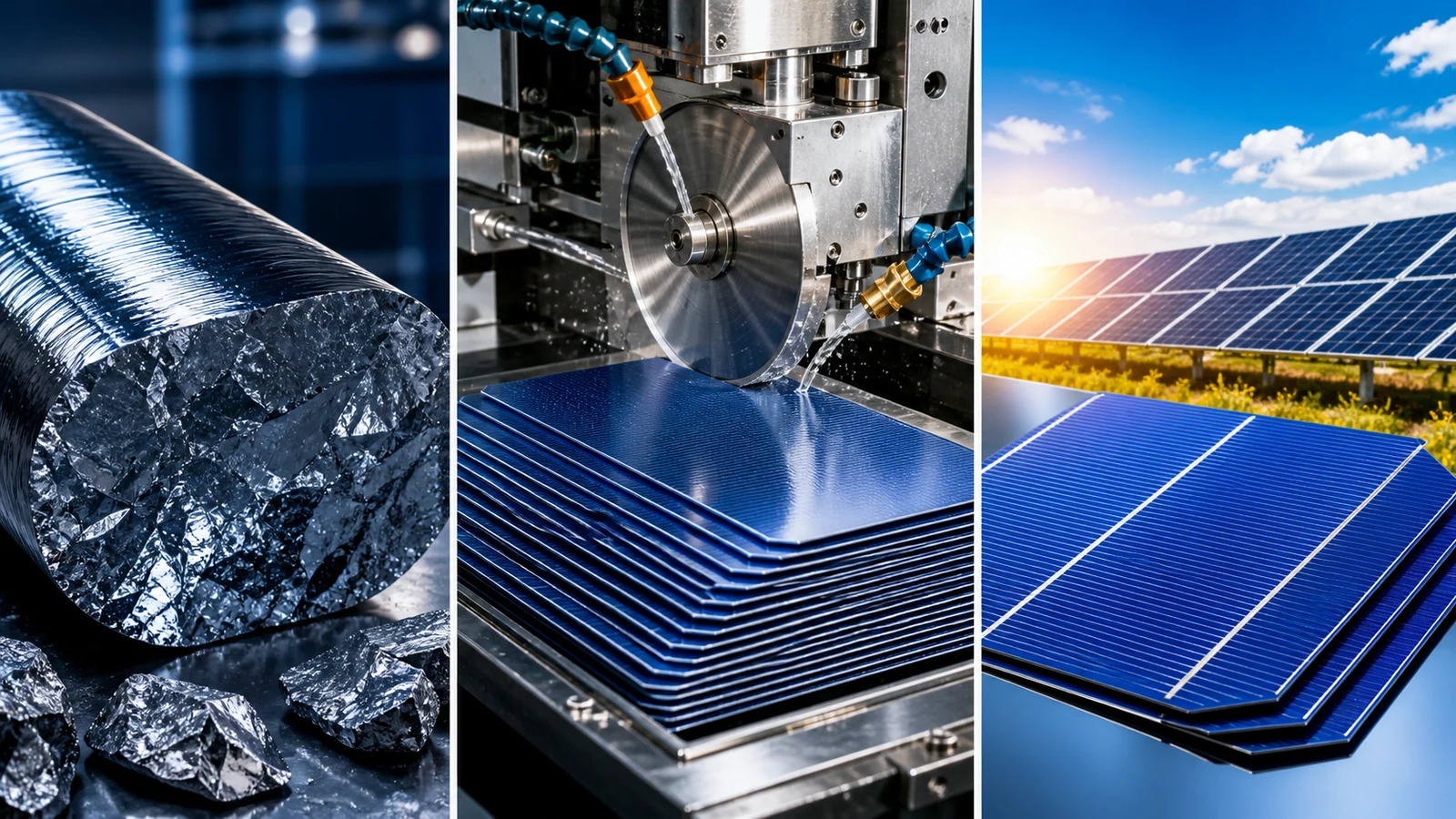
On 25 January 2024, Daria Rodionova of Gazeta.Ru reported the opening of a major solar-component factory in Kaliningrad Region. The new complex was designed to grow monocrystalline silicon ingots and cut them into wafers used in high-efficiency photovoltaic modules.
The project added an upstream manufacturing stage to the solar supply chain in Russia. Private investors put RUB 30 billion into construction, according to the report, while the Industrial Development Fund also supported implementation. The facility was built in two years and was described as the largest producer of solar-energy components in the Eurasian Economic Union.
Why ingots and wafers matter
A solar module begins far upstream of the finished panel. Manufacturers first need silicon with controlled purity and crystal structure. A monocrystalline ingot is then sliced into thin wafers, which become the substrate for later cell-processing stages. Quality at this point influences conversion efficiency, breakage rates and the economics of every downstream operation.
A supply-chain project rather than a panel assembly line
The distinction is important for assessing the investment. A module assembly line can combine cells, glass, frames and electrical components, but it still depends on the availability of cells and wafers. Producing the silicon foundation locally addresses a different bottleneck and requires specialized furnaces, cutting equipment, process control and substantial technical discipline.
- Investment: RUB 30 billion from private investors.
- Construction: the complex was completed in two years.
- Output stage: monocrystalline silicon ingots and wafers.
- End use: high-efficiency photovoltaic modules.
Industrial policy meets commercial demand
Support from the Industrial Development Fund placed the factory within a broader effort to build domestic manufacturing capability. However, public support alone does not determine commercial viability. The plant must achieve stable yields, control energy and consumables costs, and supply wafers with dimensions and properties that downstream cell producers can use consistently.
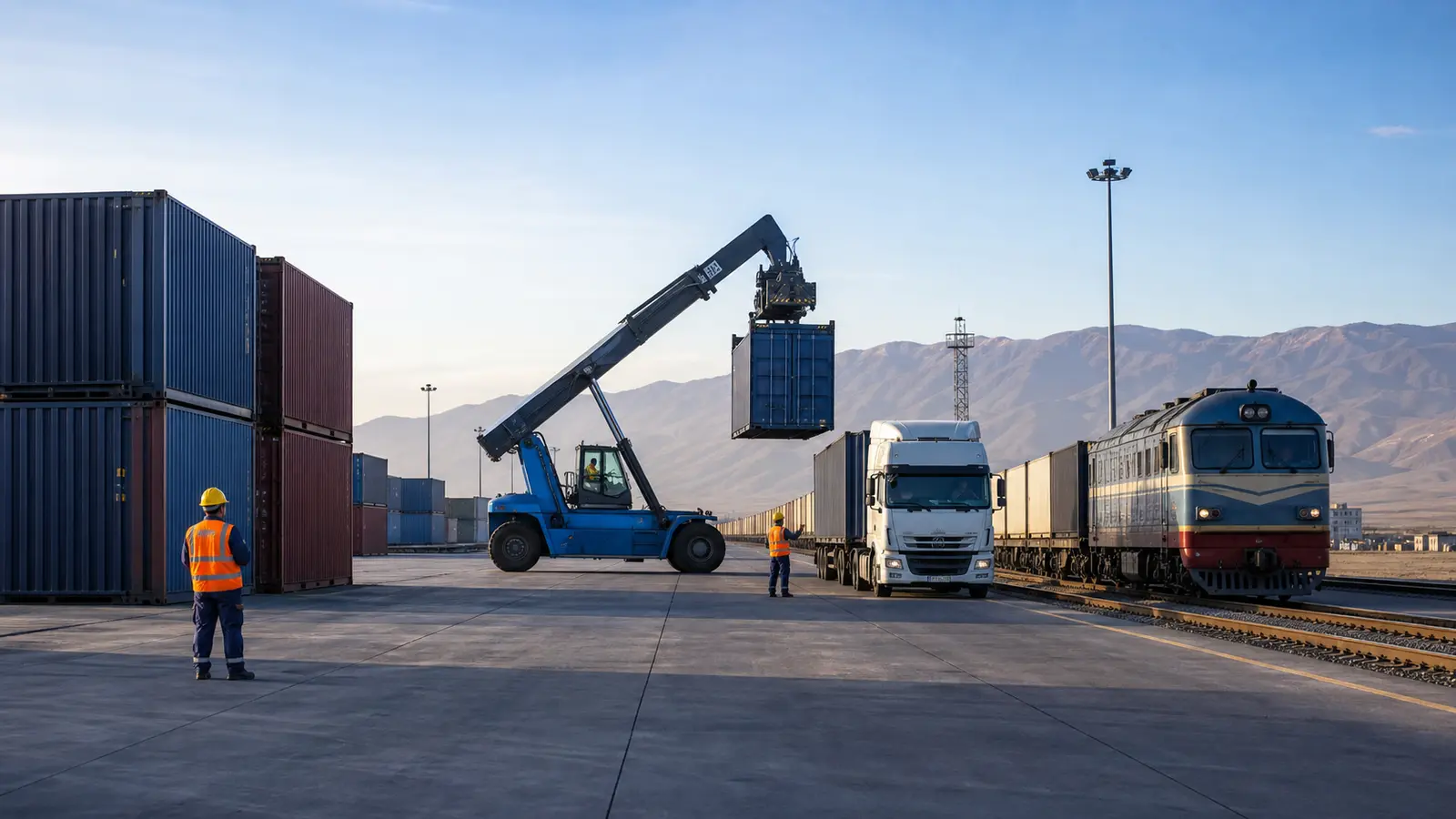
The project's location also creates a logistics test. Kaliningrad Region is separated geographically from most of the national market, so reliable inbound materials and outbound shipments matter. At the same time, a large dedicated facility can develop a specialized workforce and supplier base around a clearly defined process.
What the opening changes for the market
The factory reduces reliance on imported components at a stage where photovoltaic quality is largely determined. It can also shorten coordination between wafer suppliers, cell manufacturers and module producers. That does not eliminate exposure to international equipment, consumables or technology, but it gives buyers a domestic production option for a strategically important intermediate product.
Viktor Vekselberg, co-chair of the renewable-energy association cited by Gazeta.Ru, said the output would protect the industry from market fluctuations and create further development opportunities. The practical measure of that claim will be regular shipments that meet customer specifications rather than installed equipment alone.
The business test after the ceremony
An opening establishes capacity; a competitive operation must turn capacity into repeatable output. Investors will watch utilization, product yield, power consumption and the ability to win long-term orders. Downstream customers will focus on wafer consistency, delivery schedules and the performance of cells made from the material.
If those indicators are sustained, the Kaliningrad complex can anchor a deeper regional solar-manufacturing chain. Its significance lies not merely in the size of the investment, but in moving local production closer to the material core of a photovoltaic module.













ADI News
Leave a comment