

International Container Terminal Services, Inc. is advancing a group of port projects spanning its Philippine home market, South Africa and Brazil. The stated commitments include a $1 billion domestic programme, close to $650 million of upgrades linked to a Durban joint venture and a $175 million expansion in Rio de Janeiro. Forbes reported the investment plans on August 5, 2026.
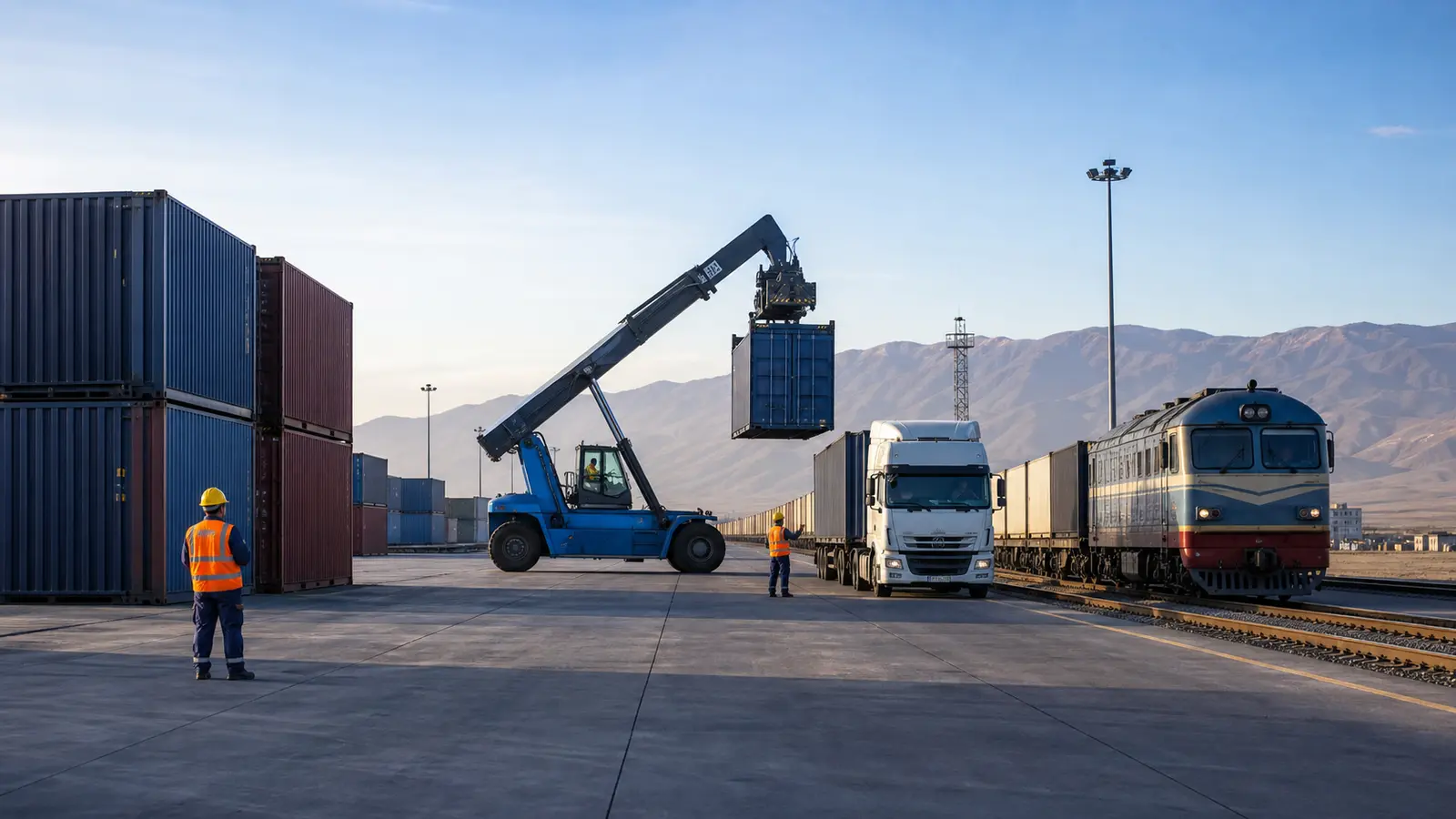
ICTSI operates container terminals rather than merely owning passive waterfront property. Its business depends on moving ships, boxes, trucks and trains through constrained sites with reliable equipment and predictable turnaround times. The latest programme therefore links capital spending to operating performance in three different markets. Counted together, the disclosed amounts exceed $1.8 billion, although each project has its own schedule, partners and commercial conditions.
The Philippine programme combines an upgrade and a new terminal
ICTSI's $1 billion home-market plan includes improvements to its flagship Manila port and construction of a new container terminal in Batangas province, south of the capital. The two assets answer different needs. Upgrading an operating terminal can raise capacity and reliability where customers already call, while a new site can redirect future growth and create another gateway for industrial and consumer cargo.
The company is headquartered in the Philippines, so its domestic projects also anchor the wider portfolio. Local management knowledge, supplier relationships and existing customer traffic can reduce some execution uncertainty. A new terminal still faces land, marine works, road access, permits and the difficult question of how quickly shipping lines will shift volume.
How port capital becomes operating capacity
- Berths and channels must accommodate the vessels expected on the trade route.
- Ship-to-shore cranes determine how quickly containers move across the quay.
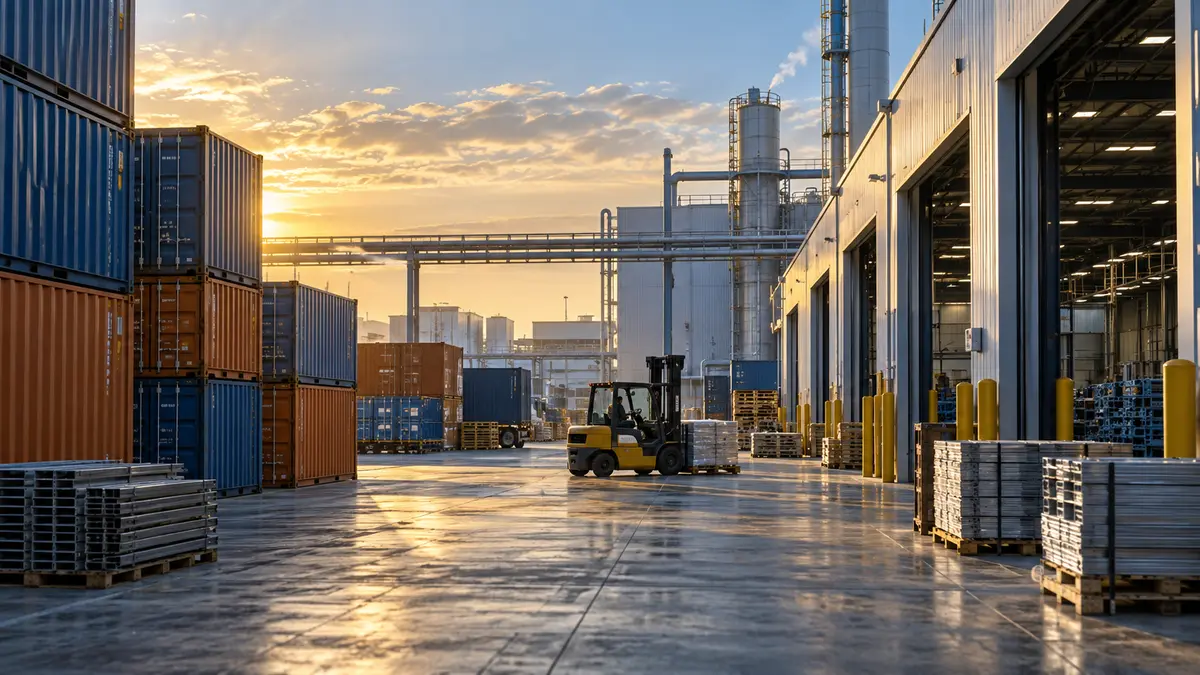
- Yard equipment and layout control how long boxes wait and how often they are rehandled.
- Gate systems, roads and rail links determine whether cargo leaves the terminal without congestion.
- Digital scheduling and maintenance turn physical assets into dependable daily throughput.
A terminal can install impressive equipment and still underperform if one link remains constrained. More crane moves per hour create little value when the yard is full or truck queues block the gate. Investment returns therefore depend on the balance of the system, not only the headline capacity of the most visible machines.
Durban adds a long concession and a public partner
ICTSI signed a 25-year joint-venture agreement with state-owned Transnet to operate a container terminal at the Port of Durban. The port handles nearly half of South Africa's port traffic, making performance there important to importers, exporters and regional supply chains. ICTSI says it will spend close to $650 million on upgrades.
A long concession creates time to recover major equipment and infrastructure expenditure, but it also places execution inside a public-private relationship. Responsibilities for labour, procurement, maintenance, tariffs, security and connecting infrastructure must remain clear. The commercial test is not simply whether money is spent; it is whether vessel waits, yard congestion and cargo dwell times improve in ways customers can measure.
- Shipping lines need dependable berth windows and crane productivity.
- Cargo owners need predictable release, inspection and inland delivery.
- Transnet needs an operator whose investment supports the national freight system.
- ICTSI needs concession terms and volumes capable of repaying the upgrade.
Currency and demand add another layer. Much port equipment is sourced internationally, while parts of revenue and operating cost may be local. A weaker currency can raise the burden of imported machinery or foreign-currency finance. Volume projections must also withstand shifts in commodity exports, consumer demand and shipping routes over a 25-year period.
Rio de Janeiro broadens the Atlantic portfolio
The company also announced a $175 million expansion of its terminal in Brazil, at Rio de Janeiro. The amount is smaller than the Philippine and Durban programmes but can still change the economics of an established site. Capacity additions at an operating terminal can be phased around existing customers, producing evidence sooner than a completely new greenfield project.
Brazilian operations expose ICTSI to a large trade economy and an Atlantic shipping network distinct from its Asian base. Geographic diversity can reduce dependence on one national market, yet it does not eliminate cyclical risk. A global slowdown can affect several terminals simultaneously, while local regulation, labour and inland logistics remain different at every site.
Indicators that distinguish expansion from announcement
- Capital spent against budget and construction milestones achieved on time.
- Additional berth, crane or yard capacity placed in commercial service.
- Vessel turnaround, truck queue and container dwell times before and after upgrades.
- Volume growth achieved without a decline in service reliability.
- Return on invested capital after concession fees, maintenance and currency effects.
- Safety and equipment availability during construction and operation.
Record earnings provide capacity, not immunity
ICTSI reported record 2025 results, with net profit rising 23% to $1.1 billion and revenue increasing 18% to $3.2 billion. Its shares more than doubled over the previous year, and Forbes estimated chairman and president Enrique Razon Jr.'s net worth at $21.8 billion. Those figures show access to capital and investor confidence, but they do not guarantee that every terminal project will meet its operating case.
Port assets are durable and difficult to replace, which can support long relationships and recurring traffic. They are also capital intensive, locally regulated and exposed to trade cycles. Expansion works when the operator improves the scarce parts of a logistics corridor and earns enough incremental throughput to cover long-lived investment. Spending ahead of demand or overlooking an inland bottleneck can delay returns for years.
The global plan should therefore be judged terminal by terminal as well as at portfolio level. Manila and Batangas must show that domestic capacity supports Philippine trade; Durban must convert a long partnership into measurable reliability; Rio must earn returns from a focused expansion. If all three programmes improve cargo flow, ICTSI will have demonstrated that a common operating discipline can travel across very different markets. If results diverge, the differences will reveal whether the decisive factor was engineering, local institutions, demand or execution.
















ADI News
Leave a comment