
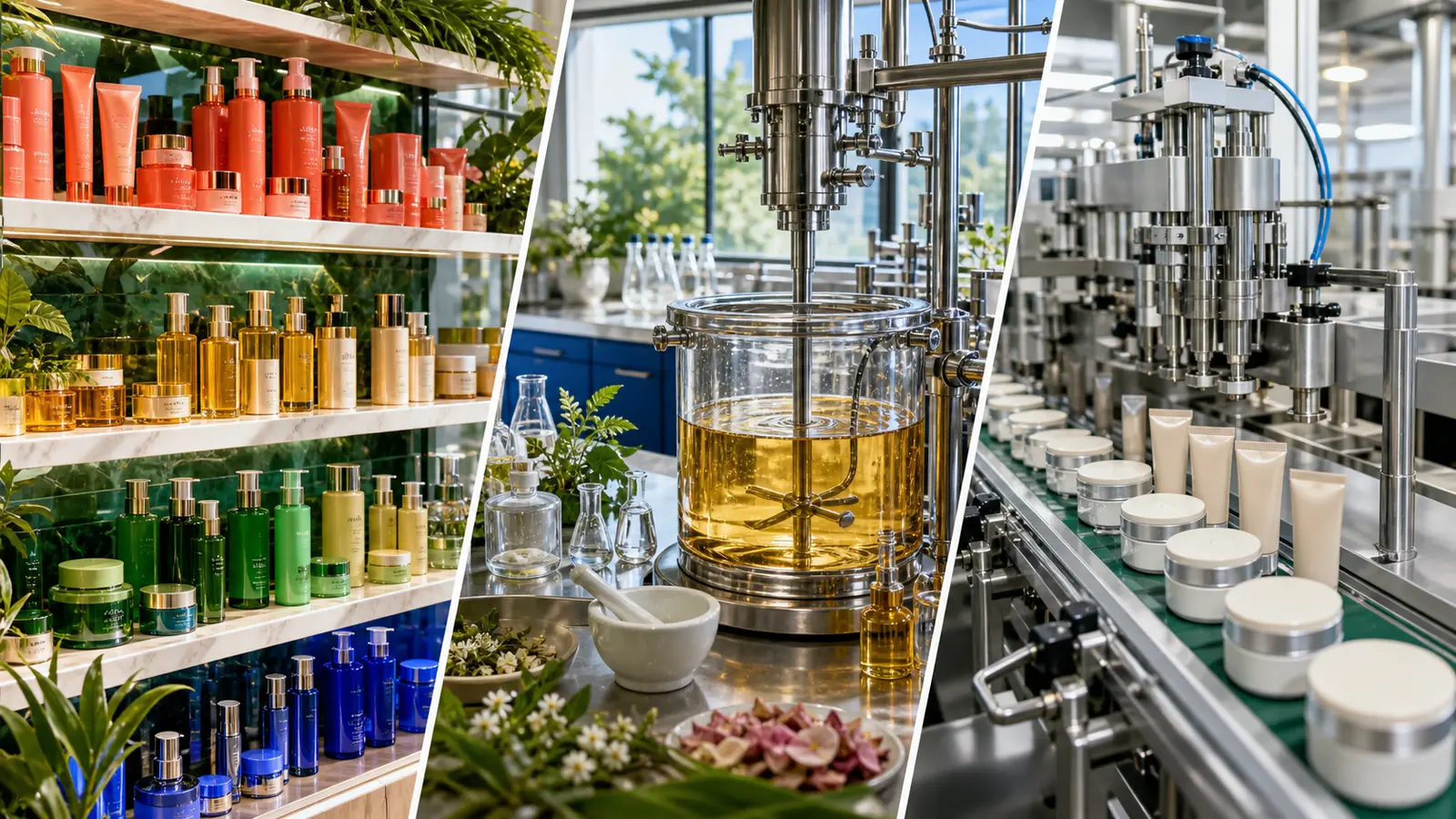
Beauty retailer Golden Apple plans to invest as much as RUB 4 billion in a Russian skincare cosmetics factory, moving beyond distribution into product development and manufacturing. The company was negotiating the acquisition of existing industrial sites in the Urals and Moscow Region, with commissioning targeted for the period from 2027 to 2030. Vzglyad reported the plan on September 1, 2025, citing the retailer's announcement.
The proposal is not limited to Golden Apple's own merchandise. Management expects the larger share of capacity to serve independent Russian beauty brands under contract. That changes the economics of the project. A factory tied only to one private label depends on the retailer's internal product calendar, while a contract platform can spread fixed costs across many customers, formulas and production runs in Russia.
From retailer to manufacturing platform
Golden Apple has built its position by aggregating brands, customer demand and retail data. A factory would add control over a different part of the value chain: formulation, sourcing, production scheduling, quality assurance and packaging. The strategic advantage is not simply a higher margin on a house brand. It is the possibility of selling infrastructure and operating expertise to suppliers that already need a route to the consumer.
Founder and co-owner Ivan Kuzovlev described a broader service in which beauty companies could receive help with formula development, production, sales, logistics and exports. If implemented, this model would make the retailer both a customer and a supplier to independent brands. The arrangement can shorten product-launch cycles, but it also requires clear commercial rules so that contract clients trust the platform with sensitive formulas, forecasts and sales information.
Services the factory platform could combine
- Formula development: turning a product idea into a stable and manufacturable skincare composition.
- Ingredient procurement: qualifying suppliers and maintaining traceable raw-material specifications.
- Contract production: mixing, filling and packaging batches for independent labels as well as house products.
- Retail distribution: connecting new products with Golden Apple's stores and digital channels.
- Logistics and exports: preparing inventory and documentation for domestic and international delivery.
Buying a plant may reduce the time to market
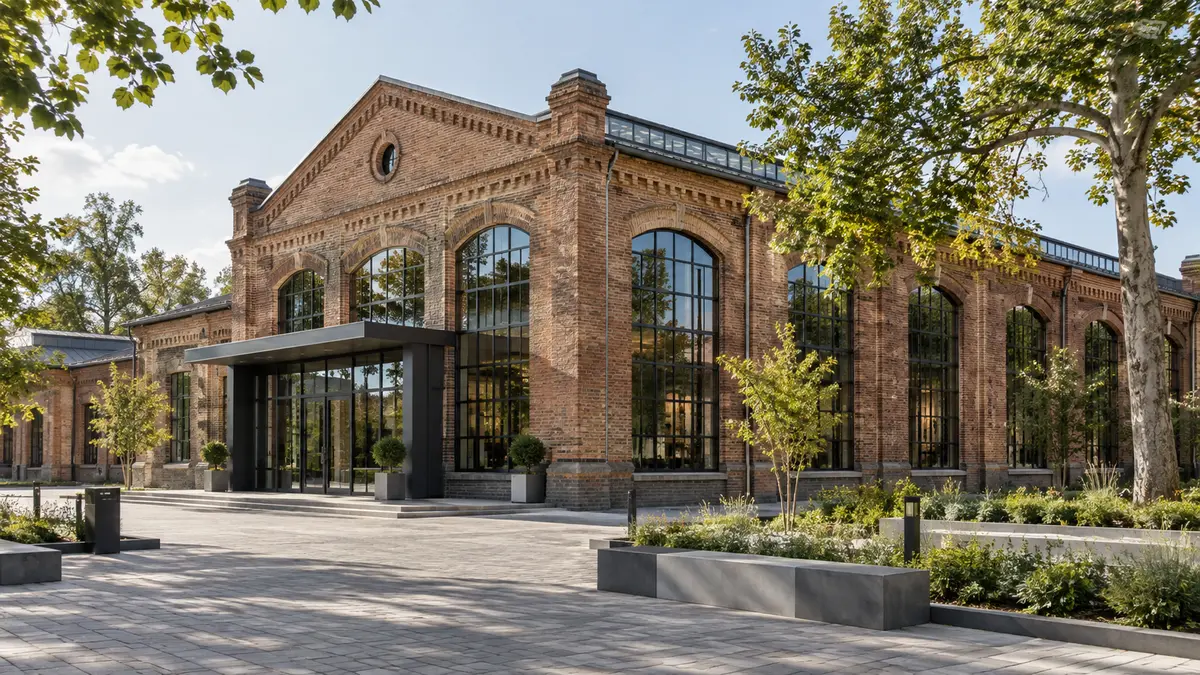
The search for existing sites in the Urals and Moscow Region indicates a preference for acquisition rather than greenfield construction. An operating building can offer utilities, laboratories, storage areas and trained personnel sooner than a new project. It may also carry hidden costs: production lines can require modernization, documentation may not match the intended assortment and a former owner's layout can limit efficient flows.
The broad 2027-2030 commissioning window reflects those uncertainties. A transaction must be negotiated before technical due diligence, redesign, equipment procurement and regulatory preparation can be completed. The final investment figure will depend on which plant is selected and how much of its infrastructure can be reused. Spending up to RUB 4 billion is therefore a ceiling for a project whose exact physical shape had not yet been determined at the announcement date.
Questions that determine factory utilization
- How many independent brands will commit volumes before the equipment is ordered?
- Which product forms can share mixing and filling lines without excessive changeover time?
- How will confidential customer formulas and retail sales data be separated?
- Which site offers the best balance of workforce, logistics and modernization cost?
- Can export documentation be built into the process instead of added after production?
Contract manufacturing can deepen the beauty ecosystem
Golden Apple was founded in 1996 and by 2025 operated in six countries with an assortment of about 5,000 brands across beauty and adjacent consumer categories. That commercial network gives the proposed factory a demand signal that a standalone manufacturer may not possess. Store searches, product turnover and repeat purchases can help identify gaps in the assortment and guide customers toward production volumes that fit real sales channels.
The same integration creates governance risks. Independent brands may worry that a retailer with its own labels can see their cost structure or launch plans. Golden Apple will need contractual safeguards, separate access to commercial information and transparent rules for shelf placement. A manufacturing platform gains scale only if customers believe it will compete fairly while delivering consistent quality.
The September announcement marks an expansion thesis rather than a completed factory. Its business case depends on finding a suitable asset, attracting enough third-party orders and coordinating development, production and sales without weakening trust. If those pieces align, the investment could turn a beauty retailer into shared industrial infrastructure for emerging brands, using factory capacity and distribution reach as one integrated service.













ADI News
Leave a comment