

China opened its first interregional freight corridor designed for hydrogen-powered heavy trucks. Interfax reported the launch on April 15, 2025, citing Xinhua and an announcement by energy company Sinopec.
The 1,150-kilometre route links Chongqing in southwest China with the port of Qinzhou in the Guangxi Zhuang Autonomous Region and passes through Guizhou province. Four hydrogen filling stations support the corridor. The project turns separate production, refuelling and freight assets into one operating chain rather than treating hydrogen trucks as isolated demonstration vehicles.
A complete route matters more than a single vehicle
Heavy trucks need predictable fuel availability because long idle periods and detours directly raise logistics costs. A vehicle may perform well technically but remain commercially impractical when refuelling sites are too far apart or hydrogen supply is uncertain. The new corridor addresses this coordination problem by linking the vehicles to a defined route and a small network of operating stations.
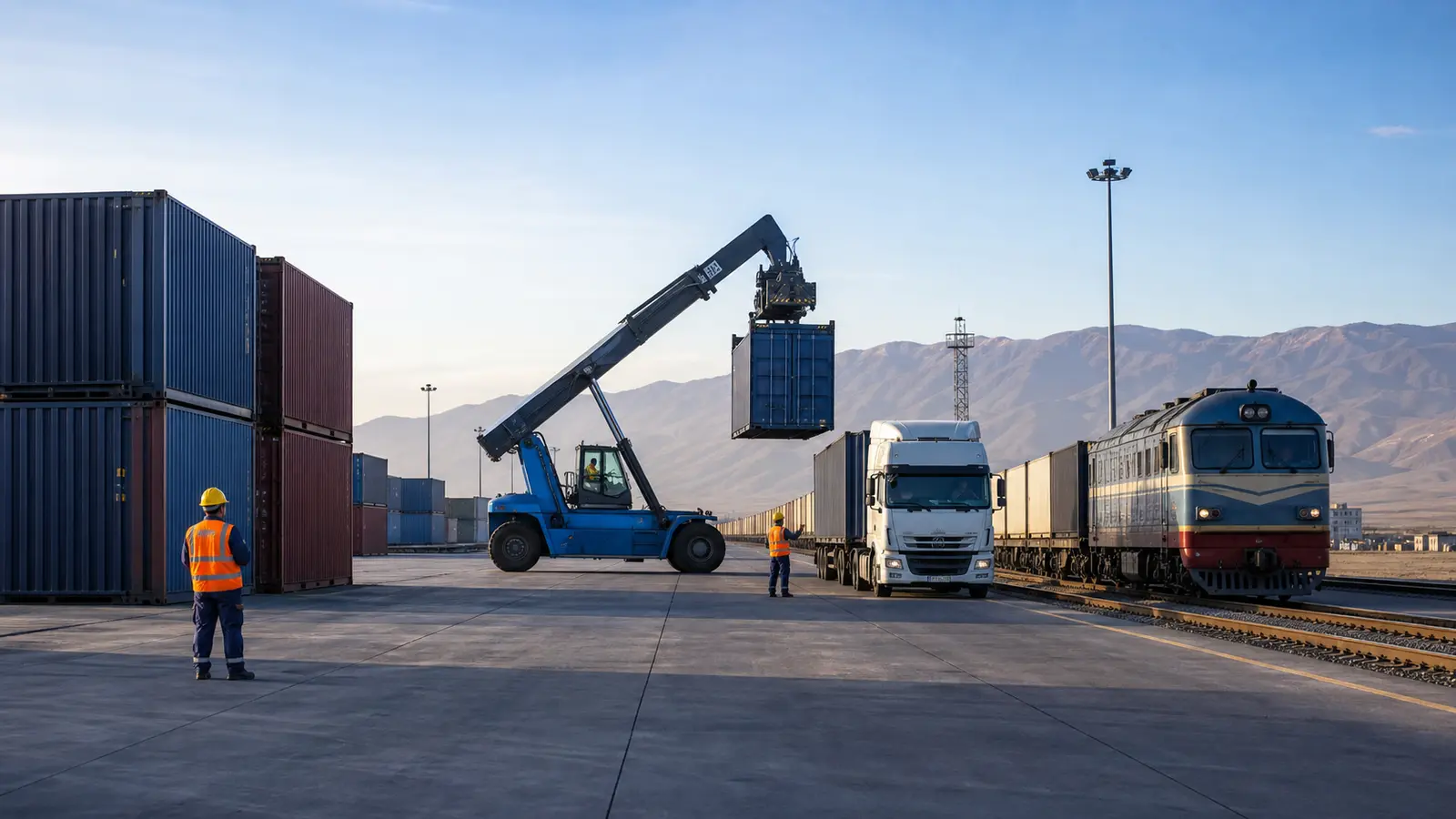
The choice of endpoints gives the project a clear freight purpose. Chongqing is a major inland manufacturing and logistics centre, while Qinzhou provides access to maritime services in the Gulf of Tonkin. A low-emission road link between them can support cargo moving between factories, regional distribution hubs and the port. The route through Guizhou also tests operations across provincial boundaries, where standards, dispatching and fuel procurement must work consistently.
Elements required for regular service
- Reliable hydrogen production and delivery to every filling station.
- Truck schedules that match station capacity and maintenance windows.
- Freight volumes sufficient to keep specialised vehicles in productive use.
- Common safety, metering and quality procedures across three regions.
Existing hydrogen output provides an industrial base
The regions along the route together produce more than 400,000 tonnes of hydrogen a year, according to the report. That volume was described as enough to meet the annual fuel requirements of 360,000 hydrogen vehicles. The comparison indicates that the constraint is not simply gross production. Usable transport fuel also depends on purification, compression, storage, station throughput and delivery economics.
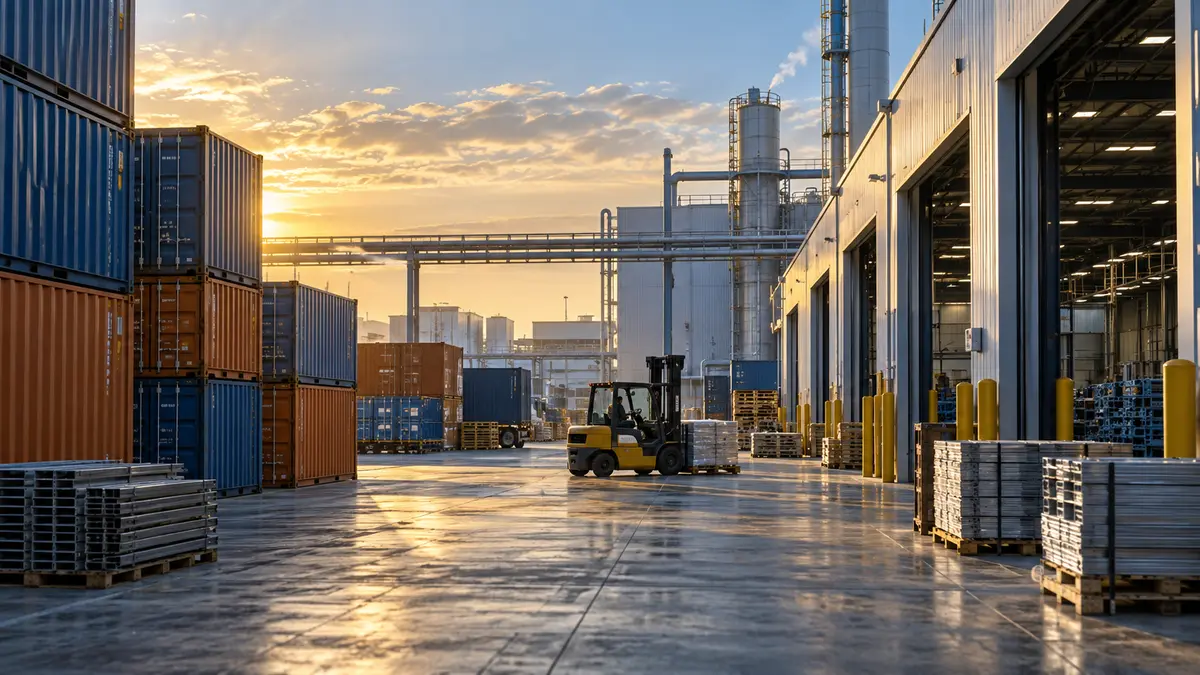
Sinopec's participation is significant because an energy supplier can coordinate several of those links. The company can connect industrial hydrogen sources with retail-style filling infrastructure and commercial transport customers. For fleet operators, a corridor backed by an established fuel supplier may reduce the risk that expensive trucks are left without dependable access to energy.
Commercial indicators to watch
- Actual truck utilisation and the number of refuelling stops per day.
- Delivered hydrogen cost compared with diesel and battery-electric alternatives.
- Station reliability, queue time and fuel availability in both directions.
- Growth of contracted freight beyond the initial participating fleets.
The corridor is expected to carry two-way freight
Expected bidirectional cargo flow is about 220,000 twenty-foot-equivalent containers a year. Two-way demand is important: a truck that returns empty spreads capital, driver and fuel costs over fewer paying loads. Connecting inland industry with a seaport creates the possibility of balancing outbound manufactured goods with inbound materials and imported cargo.
The launch does not by itself prove that hydrogen will become the dominant technology for long-haul trucking. Battery-electric vehicles, improved diesel fleets and rail all compete for freight. Hydrogen's case is strongest where operators value fast refuelling, long range and high payload, but those benefits must exceed the cost of vehicles and specialised infrastructure. Real operating data from a fixed corridor can make that comparison more credible.
For the transport and clean-energy sectors of China, the project is a test of system economics rather than a ceremonial road opening. Its success will depend on dependable stations, competitive fuel prices, balanced cargo and repeated fleet use. If those conditions are met, the Chongqing-Qinzhou route could provide a practical model for expanding hydrogen freight links between industrial centres and ports.
















ADI News
Leave a comment