
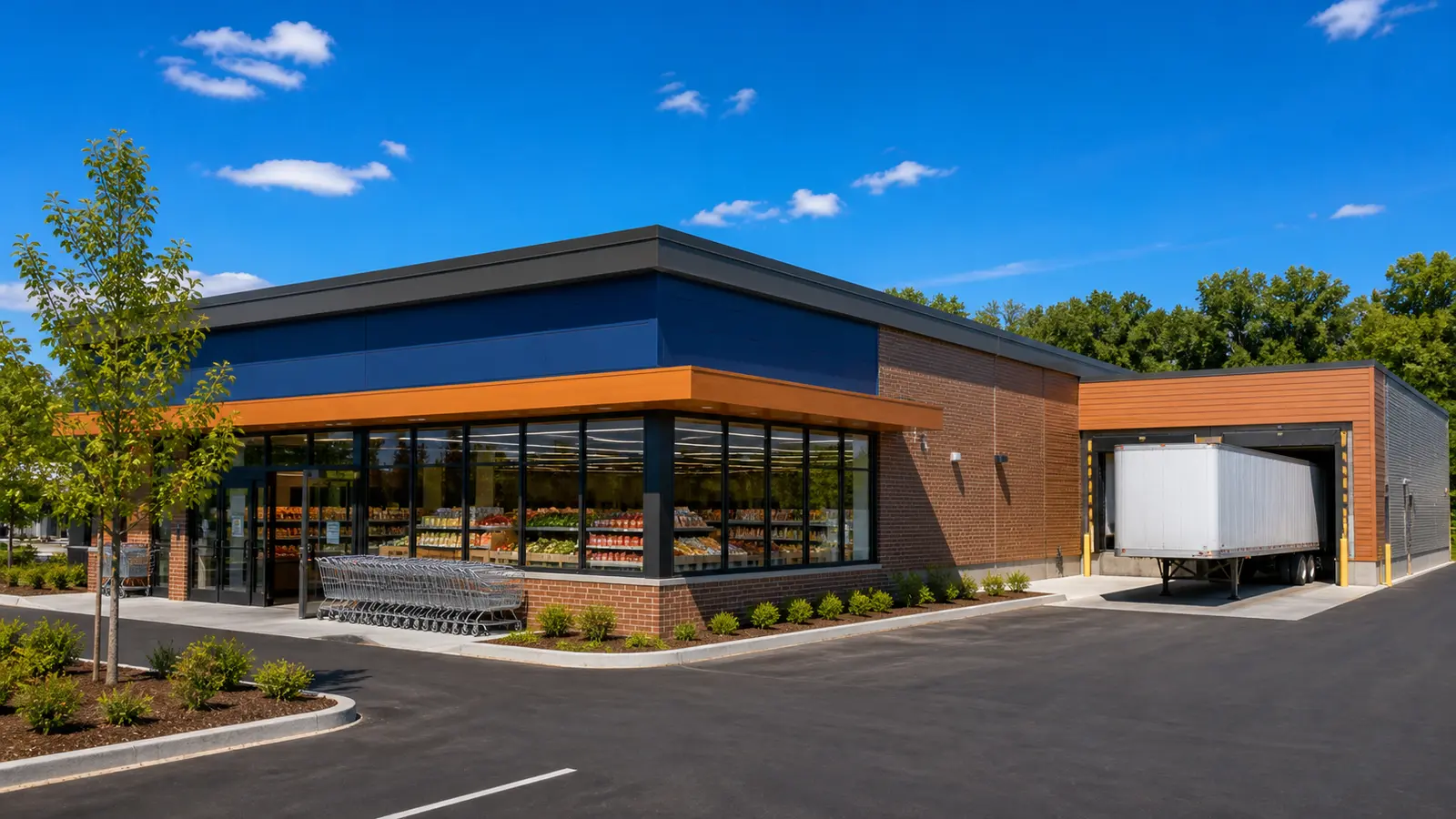
Aldi plans to open more than 180 stores across 31 states in 2026, taking its American network from more than 2,600 locations to nearly 2,800 by year-end. The programme also adds distribution capacity and two new state markets. Forbes described the expansion plan on January 13, 2026, the fiftieth anniversary year of Aldi's first U.S. store.
The retailer opened in Iowa City in 1976 and now aims for 3,200 American stores by 2028. Its growth proposition is not a smaller copy of a full-service supermarket. Aldi uses compact locations, a restricted assortment, high private-label penetration and operating routines designed to remove handling cost. The 2026 openings will test whether that system remains efficient as the chain enters new territories and serves a much larger customer base.
More than 180 openings require a logistics programme
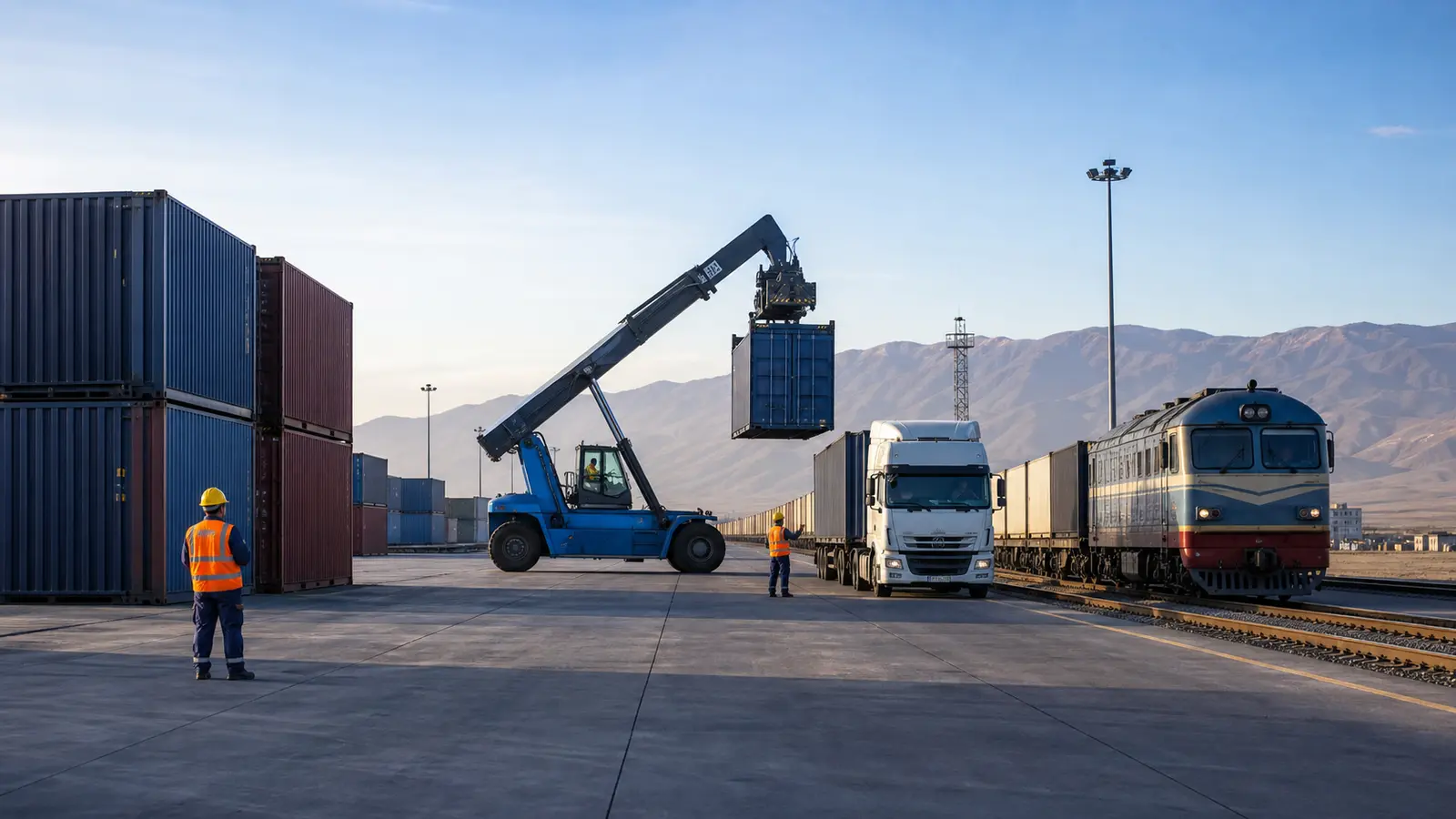
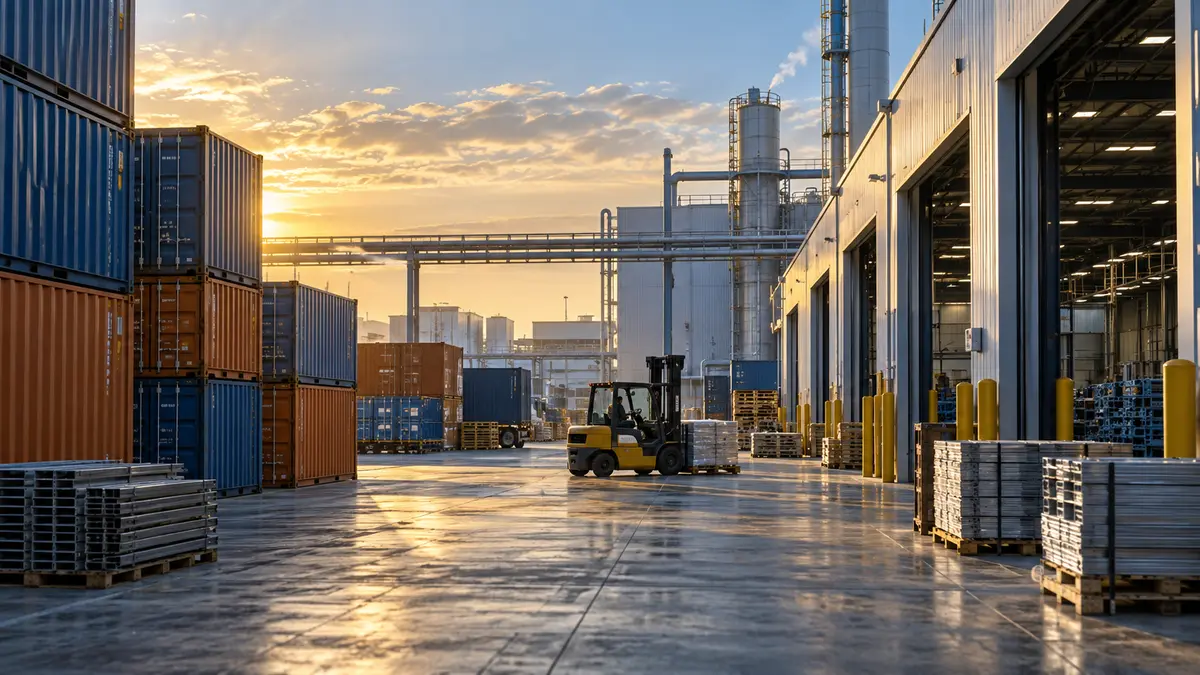
Opening a store is the visible end of a longer chain. Each new location needs a site, permits, construction, refrigeration, staff, inventory and dependable replenishment. Aldi is adding facilities in Baldwin, Florida and Goodyear, Arizona, while a distribution centre in Aurora, Colorado is planned for 2029. The company says the wider supply-chain programme will raise capacity by nearly 20%.
Maine becomes Aldi's fortieth U.S. state in 2026 with an inaugural Portland store. Colorado represents a longer western build-out: the retailer plans more than 50 stores there over five years, including the Denver and Colorado Springs markets. These commitments turn the national headline into several regional operating projects with different property costs, labour pools and delivery distances.
The sequence behind a new discount store
- A regional division selects a catchment area where price-led demand can support repeat visits.
- The supply network must reach the location frequently without eroding savings through excessive transport.
- A compact store is fitted for refrigeration, shelf-ready cartons and a limited number of product lines.
- Staff learn standardised routines that reduce stocking, checkout and cart-recovery work.
- Sales and availability data determine whether assortment or delivery frequency needs adjustment.
Aldi currently operates through 26 divisions. Adding stores without sufficient distribution density can lengthen routes and increase inventory buffers. Building warehouses too early can leave expensive capacity underused. The expansion therefore depends on coordinating property and logistics rather than maximising the number of openings in isolation.
A limited assortment is a cost structure, not just a style
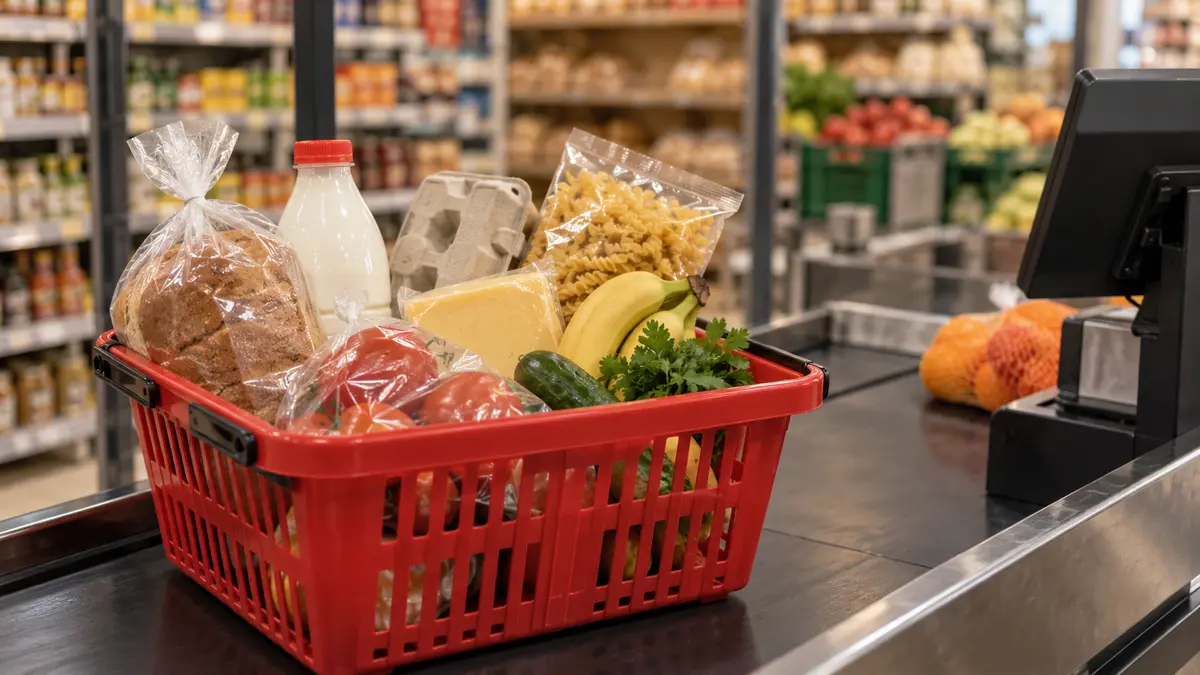
A conventional supermarket may carry more than 40,000 products, while Aldi offers about 1,800. Fewer lines concentrate purchasing volume, simplify forecasting and reduce the number of shelf decisions. Products remain in delivery trays where practical, cutting handling time. Shoppers bag their own purchases, and a refundable quarter encourages carts to return to one collection point.
Private labels represent roughly 90% of Aldi's assortment, compared with less than 28% at a typical grocery retailer according to figures cited by Forbes. This gives the chain greater control over specifications, packaging and price architecture. It also concentrates reputation risk. When the retailer's own name appears across the range, a quality failure can affect trust beyond one manufacturer or category.
- Purchasing: higher volume per selected item can strengthen supplier negotiations.
- Stores: fewer products reduce shelf space, replenishment work and customer search time.
- Inventory: simpler ranges can improve turnover but make stock-outs more visible.
- Customers: a curated choice reduces complexity, although some shoppers still want specialist brands.
The model is attractive during a cost-of-living squeeze because savings are built into operations rather than funded only by temporary promotions. Aldi says one in three U.S. households visited its stores in 2025 and 17 million new customers shopped there during the year. Retaining those households after inflation pressure changes will show whether convenience and product quality are as important as price.
Digital convenience must fit a lean physical system
Aldi plans a redesigned American website with personalised recommendations, shoppable recipes, expanded nutritional information and meal planning. It is also broadening curbside and delivery partnerships. These features respond to customers who want budget shopping without giving up digital planning or doorstep fulfilment.
Online grocery service introduces costs that a stripped-down store was designed to avoid. Someone must select items, handle substitutions, maintain accurate inventory and deliver an order within a promised window. A digital channel therefore succeeds only if fees, basket size and picking productivity cover the extra work. Growth in fresh meat, described as the chain's fastest-growing department, makes temperature control and substitution quality particularly important.
Metrics that will show whether the expansion works
- Stores opened on schedule and their sales after the initial launch period.
- Distribution cost per case as new regional facilities gain volume.
- Product availability across the restricted assortment.
- Labour hours per transaction and per delivered order.
- Private-label repeat purchases and quality complaints.
- Customer retention in both mature and newly entered states.
A $9 billion commitment raises the execution standard
Aldi is continuing a commitment to invest $9 billion in the United States through 2028. Store construction is only part of that total. Distribution centres, refrigeration, technology, inventory and training must develop together. The target of 3,200 locations leaves roughly 400 openings after the planned year-end 2026 network, so the company needs a multi-year pipeline rather than one anniversary surge.
Scale can strengthen purchasing and distribution economics, but it can also weaken the simplicity that created the advantage. Regional tastes may require additional products. A larger estate can accumulate inconsistent layouts and maintenance needs. Digital services add partners and operational exceptions. Management must decide which local adaptations create value and which ones merely add complexity.
The 2026 plan is therefore a test of disciplined replication. Aldi already has a recognisable discount formula and broad household reach. The next stage requires stores, warehouses and digital tools to expand as one system. If product availability, price leadership and service remain stable while capacity grows, more than 180 openings can reinforce the model. If logistics or assortment discipline slips, rapid expansion may convert a lean advantage into the same complexity Aldi was designed to avoid.














ADI News
Leave a comment